What the texts say
No classical verse describes a retrograde Varuna. By analogy, astrologers who use it say that the period clears fog: the dreams, illusions and hopes of the direct phase are tested against reality, and what was unclear becomes plain. In a birth chart, a retrograde Neptune is said to give a rich inner life and intuition that is hard to put into words.
Effects in transit and in the chart
During Varuna vakri, those who follow it expect that illusions fall away, confusions about goals resolve, and the spiritual and creative impulses turn inward, to meditation, art made privately and reflection. Hidden matters, such as secrets, deceptions or fears, may come to the surface. It is said to be a good time to seek clarity, rather than to make large commitments based on idealism alone.
What people do
The suggestion is to ground the imagination: to check facts, finances and promises, and to keep routines of rest, prayer or meditation. These are modern guidelines, offered as ways of using the time, not as results written in the classical texts.
Retrograde in the birth chart
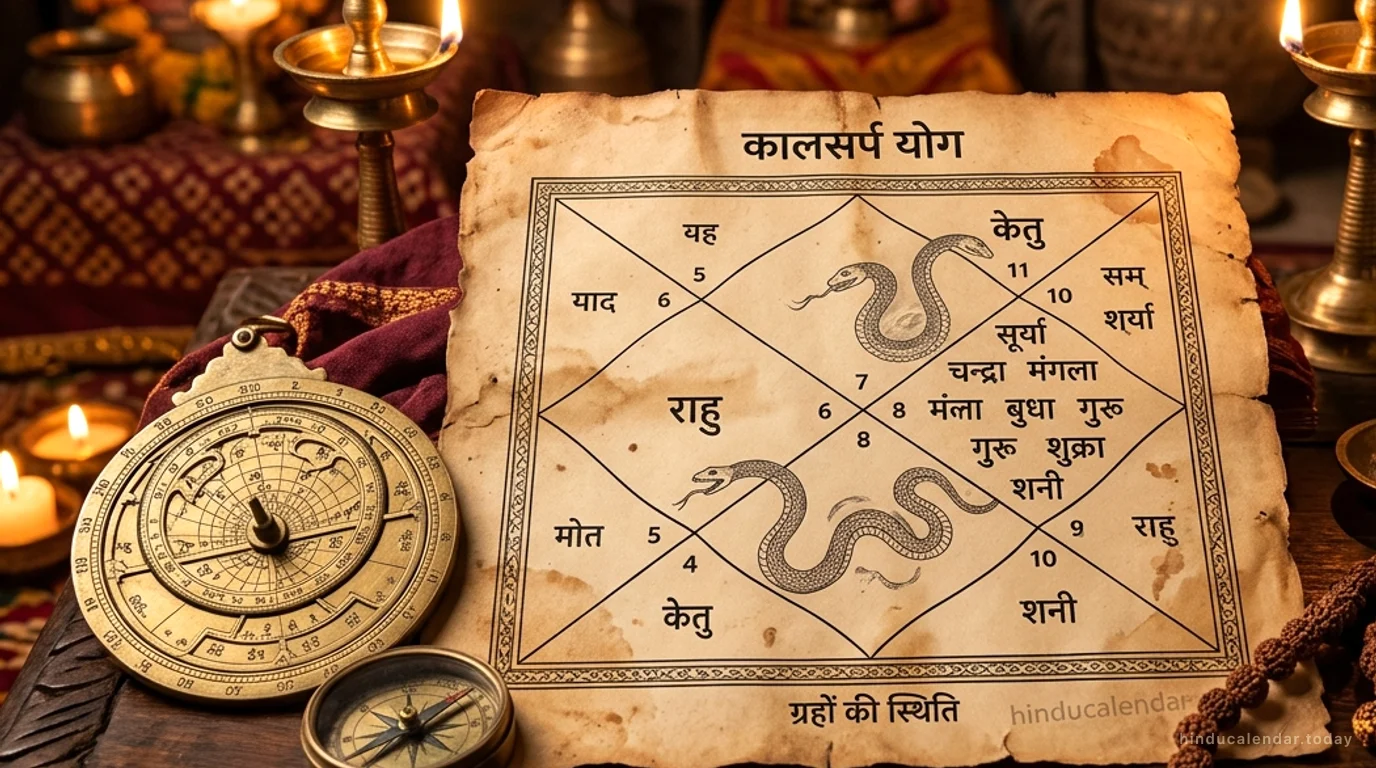
A graha that is retrograde at birth is marked in the kundali with an "R" or "Vakri". The classical view is that such a graha is strong but works in an unusual way: its results come late, or inwardly, or after a second attempt. Astrologers also read the pair of stationary points, when the graha stops before turning backward and when it stops again before moving forward, as the moments of greatest force.
The retrograde periods of the grahas, with their dates and the sign in which each begins and ends, are on the planetary pages of this site, and the Kundali page shows which grahas were retrograde in a birth chart.