What the texts say
Classical texts treat a retrograde graha as strong. For Venus, the strength turns to a re-examination of what one values: relationships, money, taste. In the birth chart, a retrograde Shukra is said to give a deep, intense or unconventional way of loving, and sometimes a slower road to marriage and to comfort, but a steadier bond after.
Effects in transit and in the chart
While Shukra is retrograde, many astrologers advise against new commitments in love and in finance that are hard to undo: engagements, buying jewellery or luxury goods, major purchases of vehicles. Old relationships and former partners are said to return. It is considered a good time to repair, to renegotiate and to review the spending of money, and a poor one to begin something wholly new.
What people do
Weddings and the muhurtas are fixed using the dates when Shukra is combust or has set, which the planetary pages of this site give. Remedies are those of Friday: worship of Lakshmi and Shukra, white flowers and sweets, and harmony at home. Care in spending and in quarrels in relationships is the practical advice.
Retrograde in the birth chart
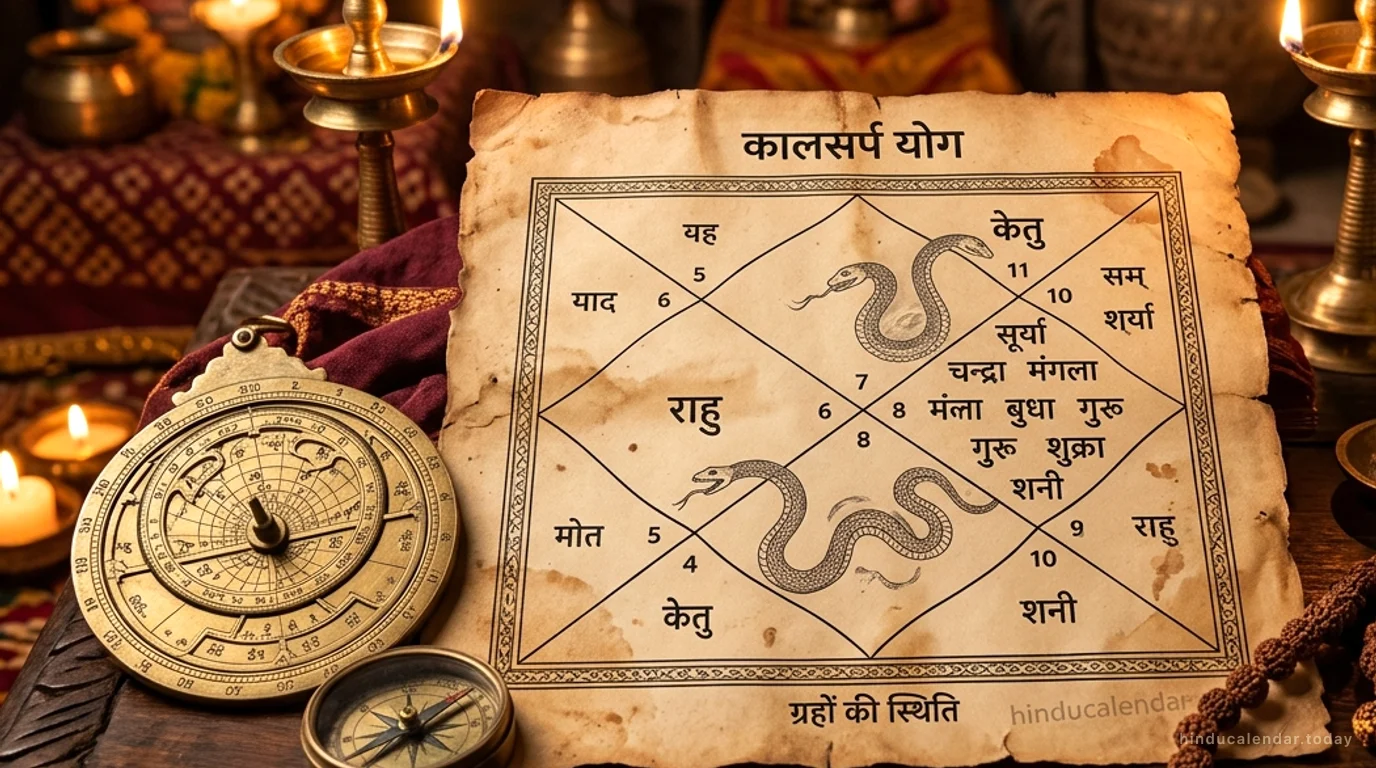
A graha that is retrograde at birth is marked in the kundali with an "R" or "Vakri". The classical view is that such a graha is strong but works in an unusual way: its results come late, or inwardly, or after a second attempt. Astrologers also read the pair of stationary points, when the graha stops before turning backward and when it stops again before moving forward, as the moments of greatest force.
The retrograde periods of the grahas, with their dates and the sign in which each begins and ends, are on the planetary pages of this site, and the Kundali page shows which grahas were retrograde in a birth chart.