What the transit means
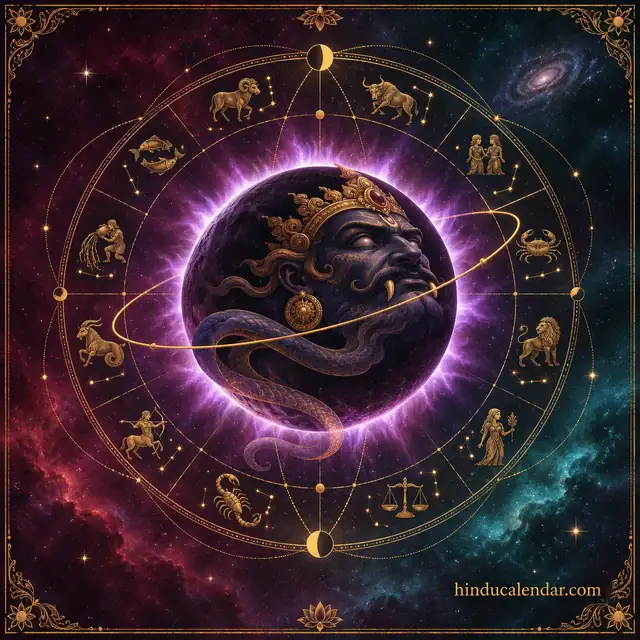
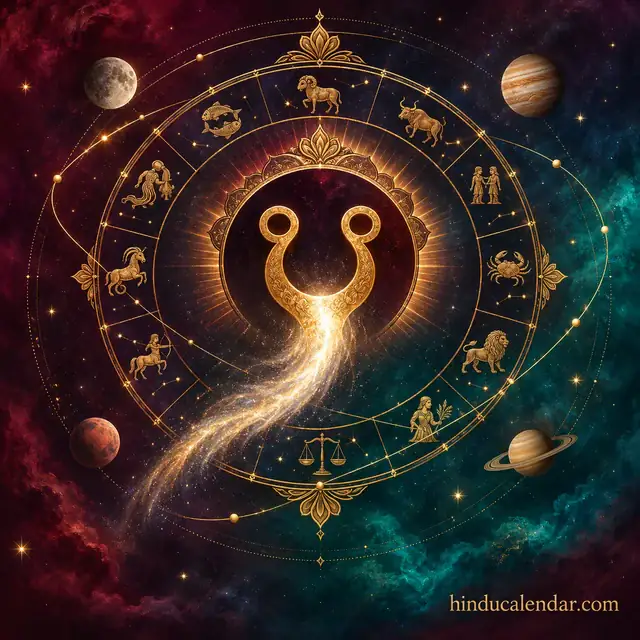
Where Rahu pushes towards more, Ketu pulls away. His transit is read as a time of letting go: in a favourable house it brings detachment that helps, insight, success in research, spiritual practice and freedom from old problems; in an unfavourable one it brings loss, confusion, sudden separations, isolation or health troubles that are hard to diagnose. Ketu is said to give results more suddenly than other grahas, and to give them through events rather than gradual change.
Favourable and unfavourable houses
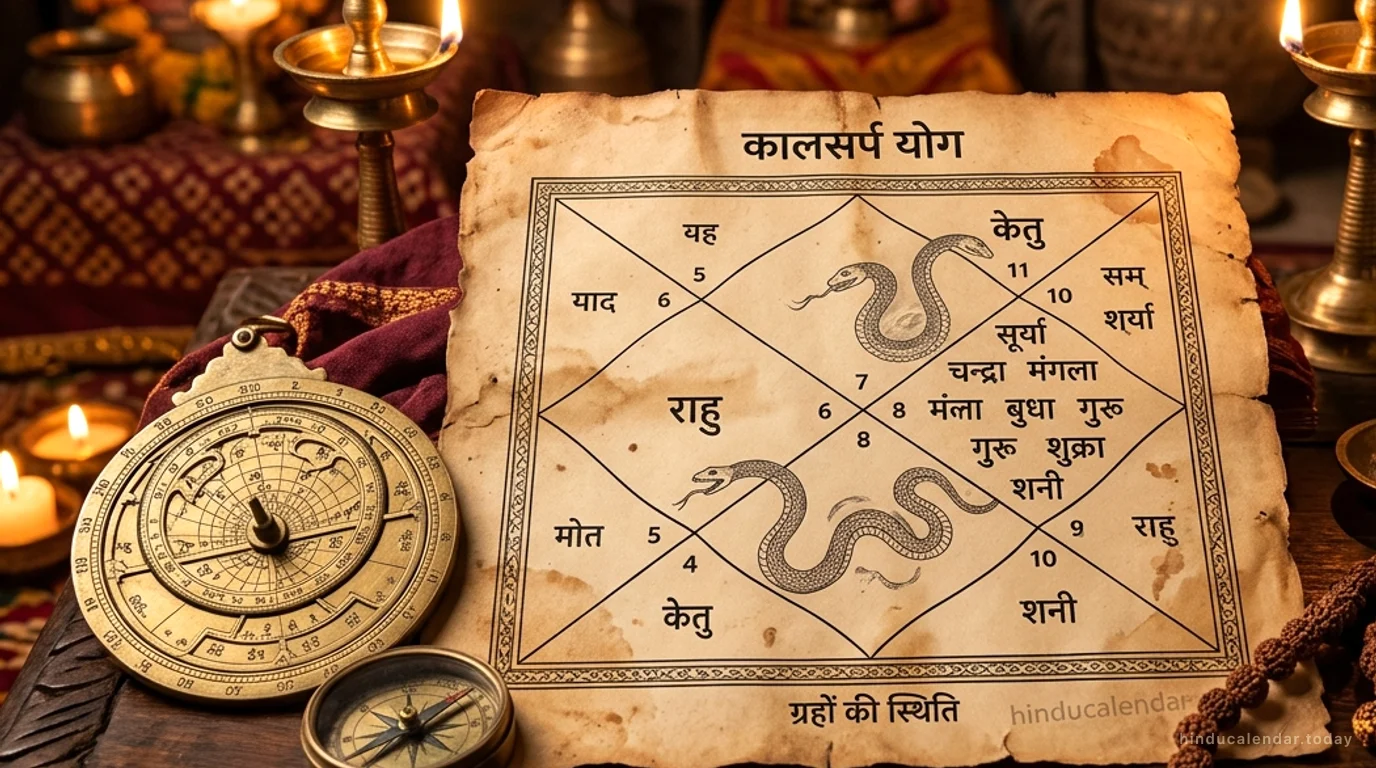
As for Rahu, the third, sixth, tenth and eleventh houses from the natal Moon are called favourable for Ketu's transit, and the first, second, fourth, fifth, seventh, eighth, ninth and twelfth less so. Since Ketu always stands opposite Rahu, the transit of the pair in a given pair of signs affects two opposite houses at once, and astrologers examine both. Ketu in the twelfth house is, however, widely seen as the house of liberation, favourable for the spiritually minded.
How gochara is read
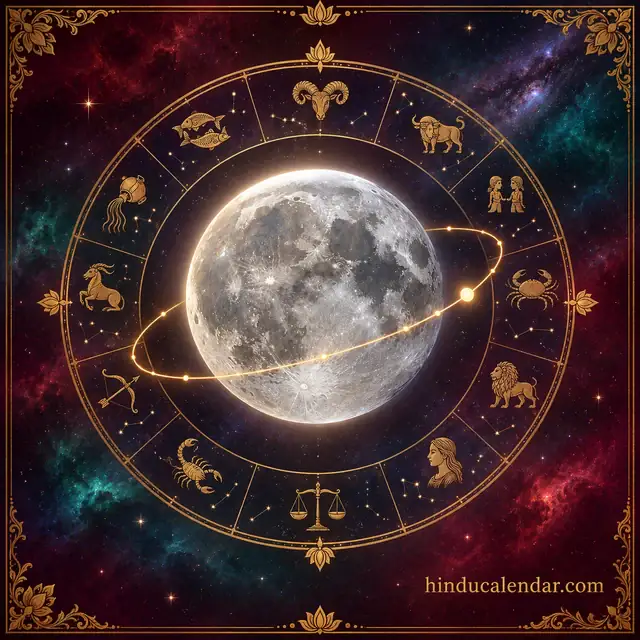
In Vedic astrology the transit is judged from the sign of the natal Moon, the Janma Rashi, which you can find with the Moon Sign Calculator: the sign the graha is in now is counted as the first, second, third and so on house from it. The Moon is chosen since it is the mind, and the transit is said to show how things are felt and met. Some astrologers also count from the ascendant.
A transit is only one layer. The classical texts add the rule of vedha, by which a graha in a house that gives good results can be blocked by another graha in a particular house, and the modern Ashtakavarga method weights each transit by the points the sign has in the birth chart. The period (dasha) running at the time, and the strength of the graha in the birth chart, decide how much of the result shows.
Worship and remedies
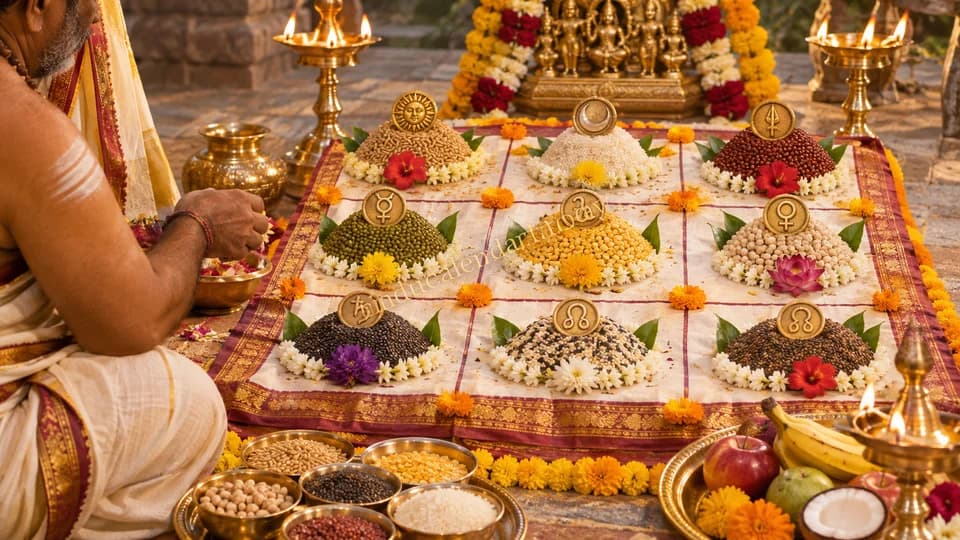
Ketu is placated with Ganesha and Bhairava, on Tuesday and Saturday: the Ketu mantra, feeding dogs, giving a blanket or a multi-coloured cloth, and worship at Ganesha temples. Many also go to Rahu Ketu shanti pujas. Cat's eye (lehsunia) is his gem, rarely recommended without a full chart reading.