What the transit means
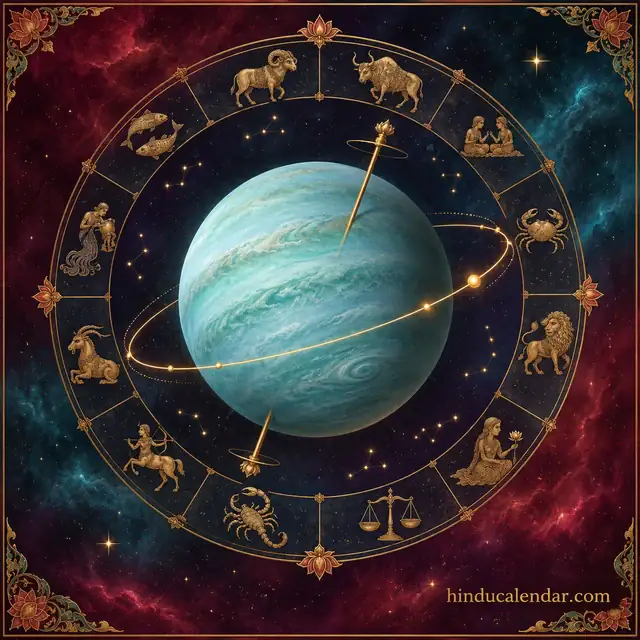
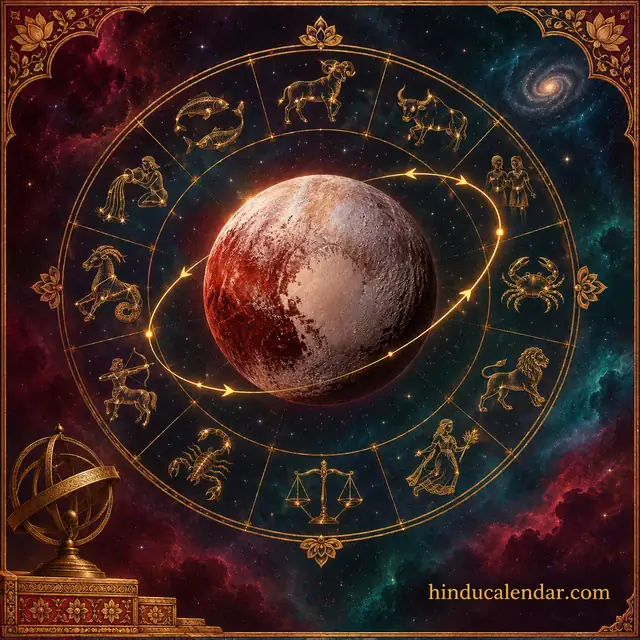
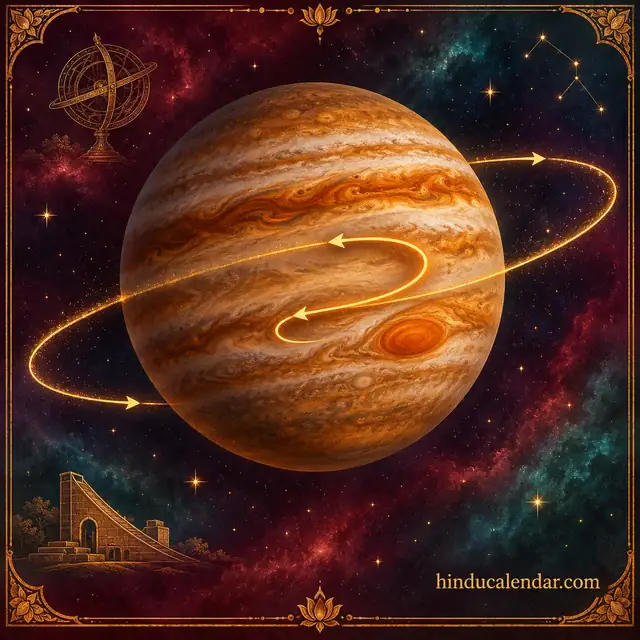
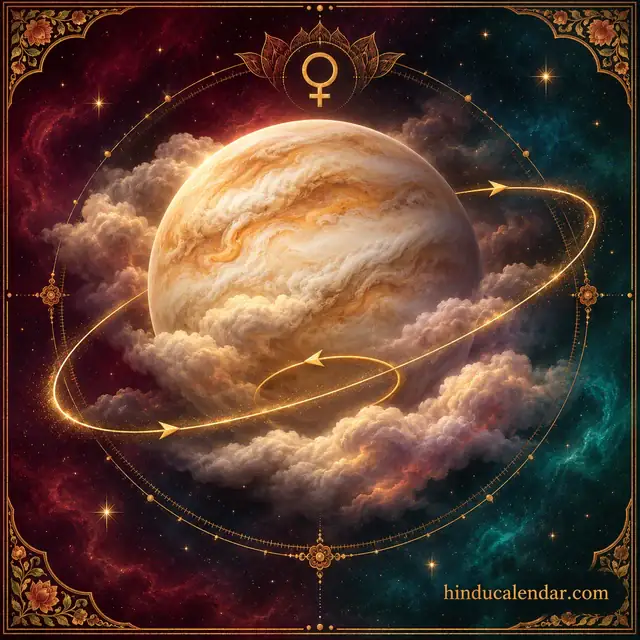
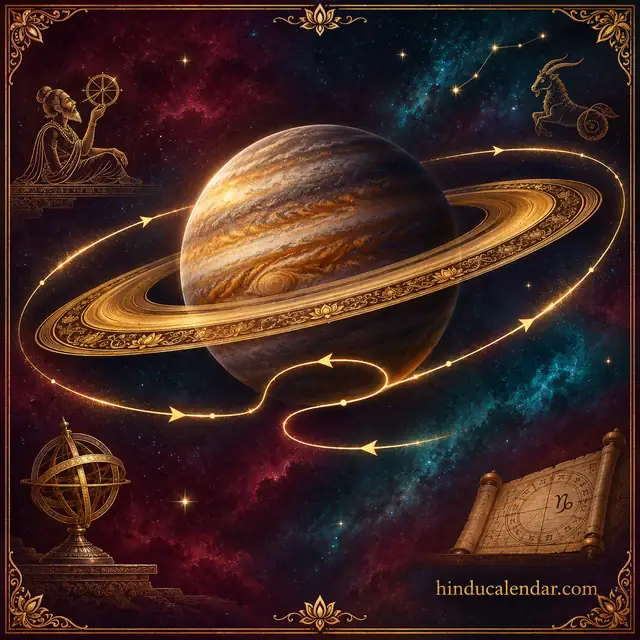
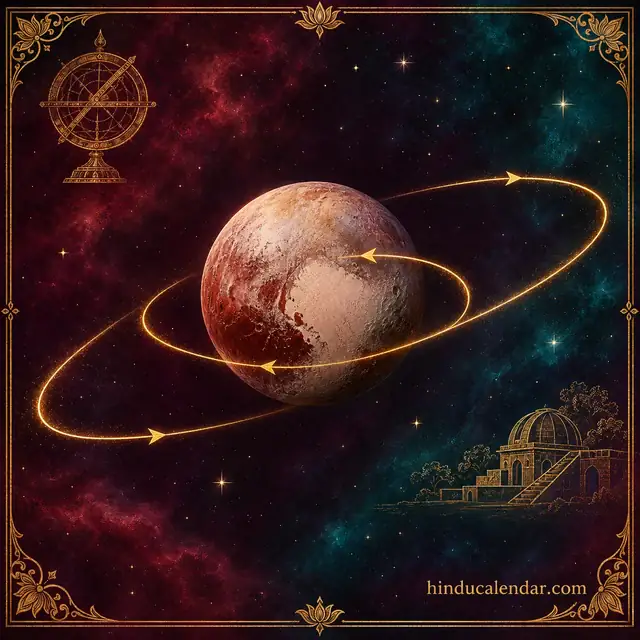
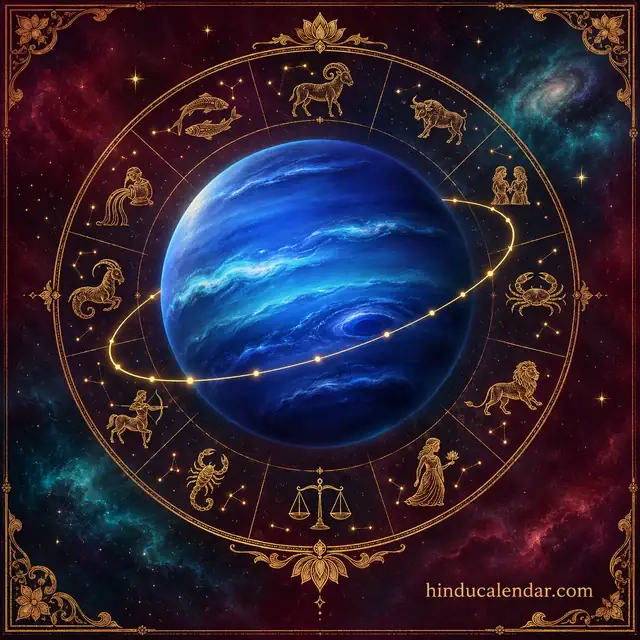
At about fourteen years in each sign and one lap in about 165 years, Varuna's transit marks the mood of a whole generation. It matters in a single chart when it crosses a sensitive point such as the natal Moon or the ascendant. Those who read it expect a time of dreaminess, inspiration, spiritual and artistic feeling, and sometimes of confusion about goals, trust misplaced, escapism, or trouble connected with water, drugs and drink.
How it is read
Without classical rules, astrologers use the house of the natal chart that Varuna is passing through to see where one is idealistic or deluded, and its aspects and conjunctions with the natal Moon and Venus to judge the effect on feelings and relationships. It is considered closer to the mind and spirit than to events, and is rarely used to fix the timing of external happenings.
How gochara is read
In Vedic astrology the transit is judged from the sign of the natal Moon, the Janma Rashi, which you can find with the Moon Sign Calculator: the sign the graha is in now is counted as the first, second, third and so on house from it. The Moon is chosen since it is the mind, and the transit is said to show how things are felt and met. Some astrologers also count from the ascendant.
A transit is only one layer. The classical texts add the rule of vedha, by which a graha in a house that gives good results can be blocked by another graha in a particular house, and the modern Ashtakavarga method weights each transit by the points the sign has in the birth chart. The period (dasha) running at the time, and the strength of the graha in the birth chart, decide how much of the result shows.
Worship and remedies
None is prescribed in the classical texts. Modern writers suggest the practices that steady the mind: regular meditation, prayer, time near water, keeping clear financial records, and not making large decisions when feeling lost. They suggest the same worship as for Chandra and Ketu, the grahas of the mind and of detachment, which Neptune is often compared to. Take it as an interpretation, not as part of the classical system.