What the transit means
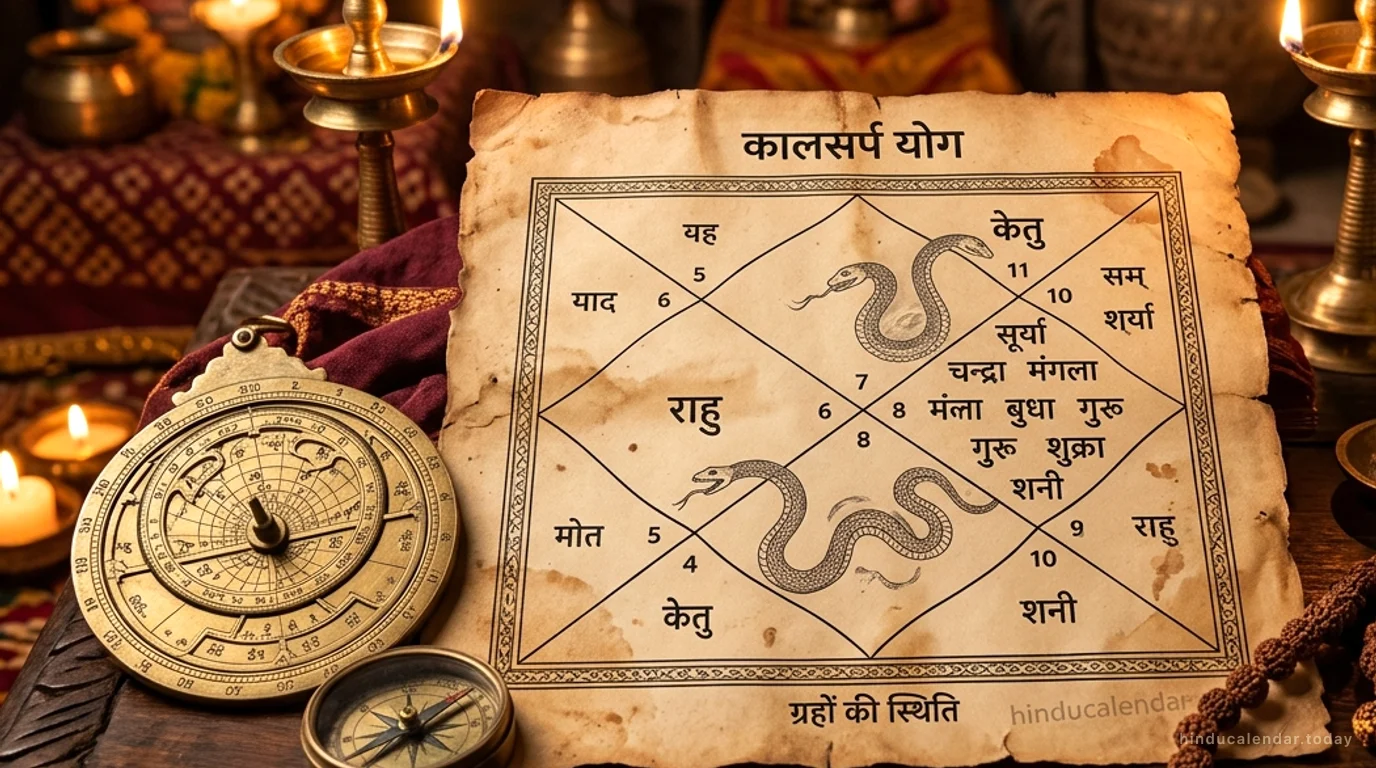
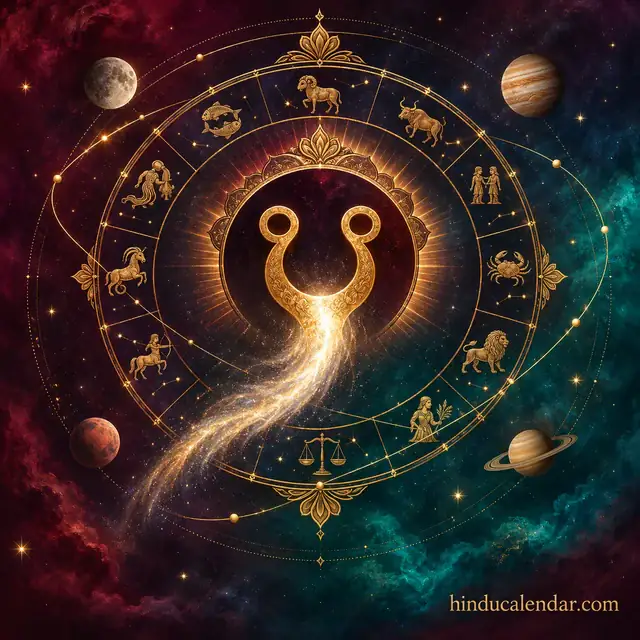
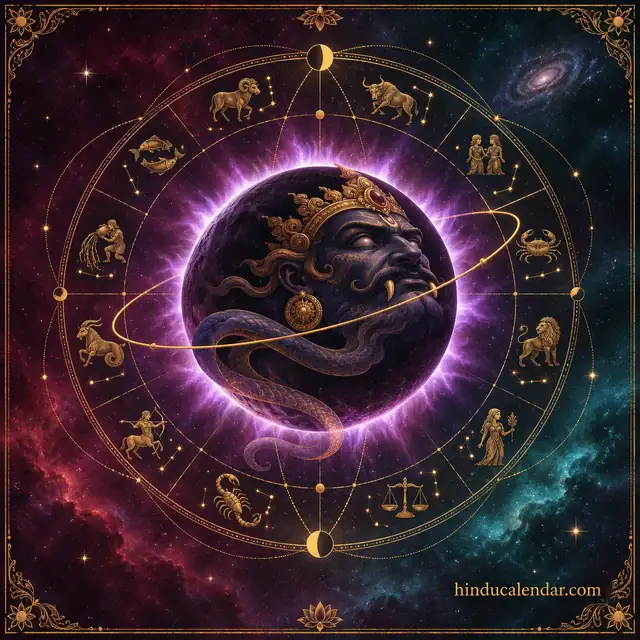
Rahu amplifies the house he stands in: a strong appetite for what that house stands for, and a tendency to overreach. In a favourable house he can bring sudden success, travel abroad, gain from foreign or unconventional work and victory over rivals; in an unfavourable one, confusion, deception, anxiety, fears, accidents or trouble that seems to come from nowhere. He is read with Ketu, who is always exactly opposite him, so every transit of Rahu is also a transit of Ketu through the opposite sign.
Favourable and unfavourable houses
Many astrologers count Rahu's gochara favourable in the third, sixth, tenth and eleventh houses from the natal Moon, as for the Sun, Mars and Saturn, the natural malefics, which do well in the "upachaya" houses where things grow with time. In the first, second, fourth, fifth, seventh, eighth, ninth and twelfth he is said to cause difficulties, and the eighth and the twelfth are held to be the hardest. When he conjuncts the natal Sun or Moon the effect is said to be stronger.
How gochara is read
In Vedic astrology the transit is judged from the sign of the natal Moon, the Janma Rashi, which you can find with the Moon Sign Calculator: the sign the graha is in now is counted as the first, second, third and so on house from it. The Moon is chosen since it is the mind, and the transit is said to show how things are felt and met. Some astrologers also count from the ascendant.
A transit is only one layer. The classical texts add the rule of vedha, by which a graha in a house that gives good results can be blocked by another graha in a particular house, and the modern Ashtakavarga method weights each transit by the points the sign has in the birth chart. The period (dasha) running at the time, and the strength of the graha in the birth chart, decide how much of the result shows.
Worship and remedies
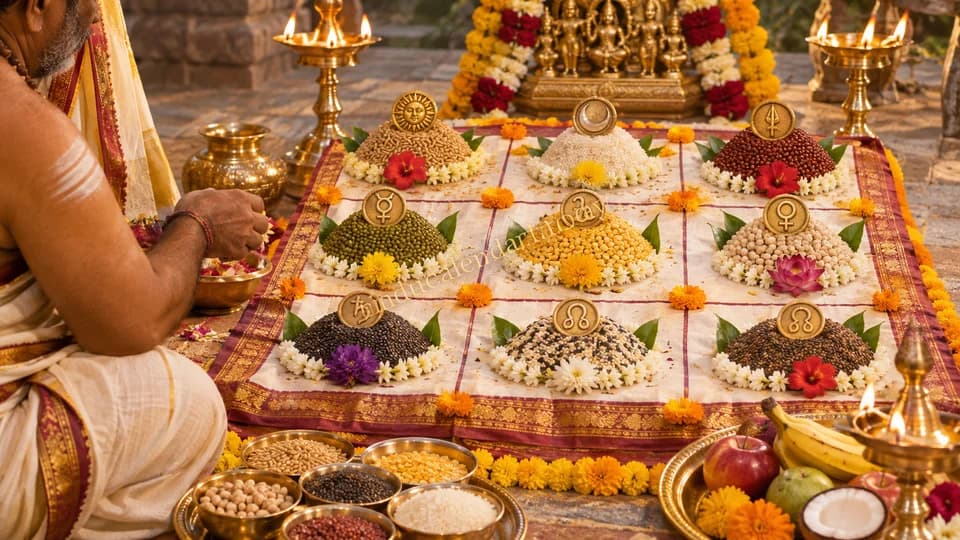
Rahu has no day of his own and is worshipped on Saturday, or on Rahu Kalam, with Durga, Shiva and Bhairava: the Rahu mantra, the Durga Saptashati, a fast, black sesame and blue or black cloth given in charity. The Rahu Ketu Shanivara Vrat Katha is on this site. Hessonite (gomed) is the gem, which is not worn lightly.