How a weekday fast is kept
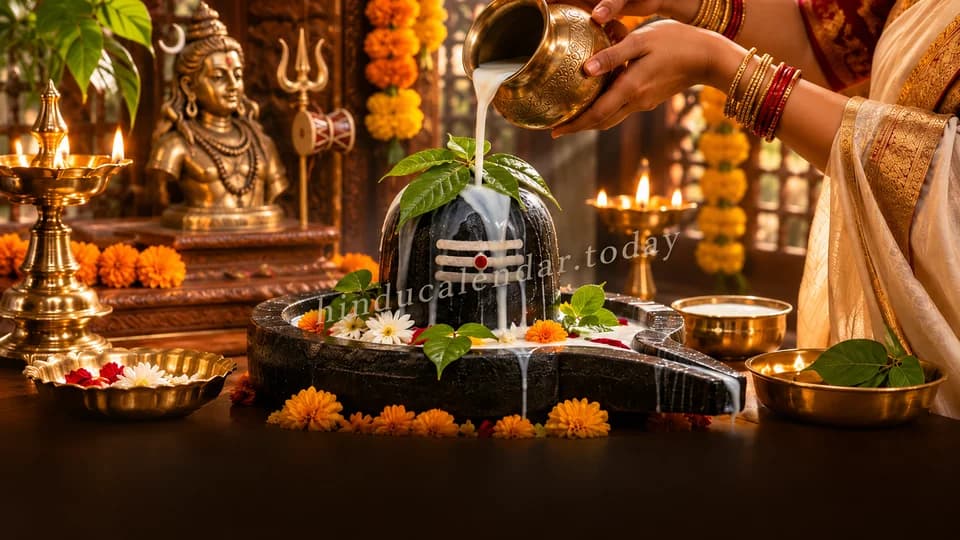
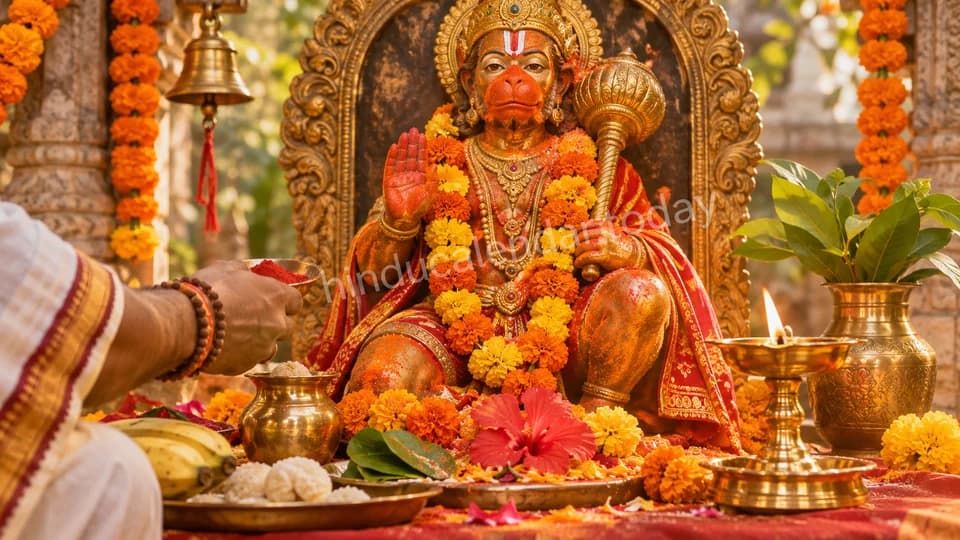
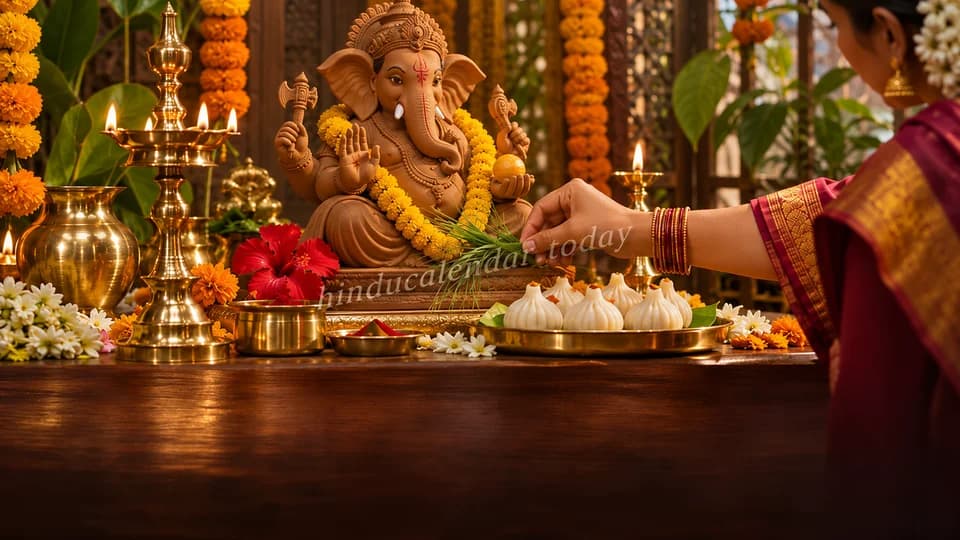
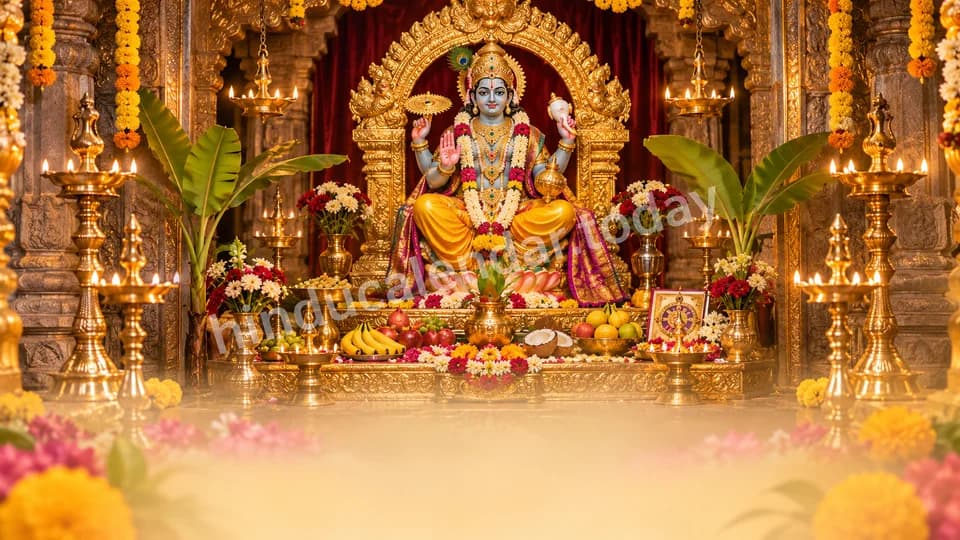
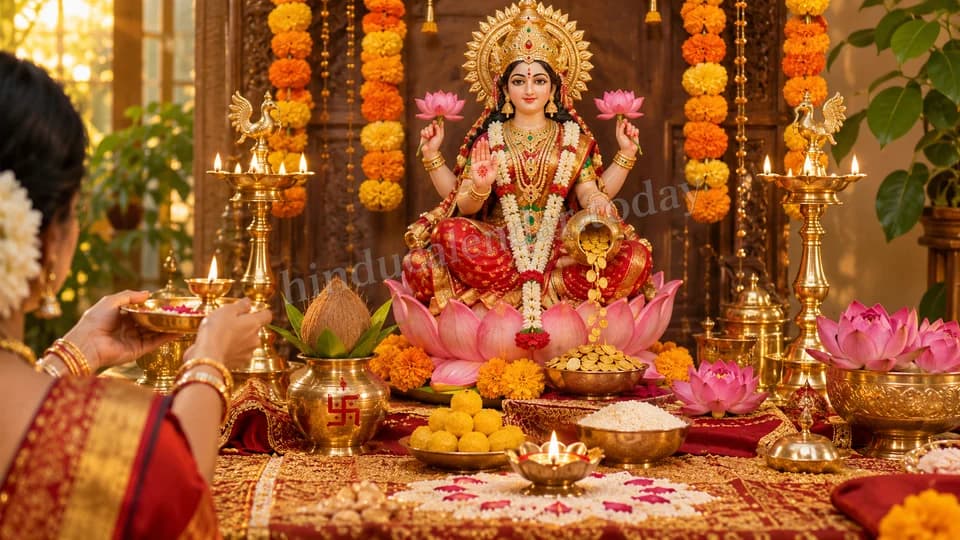
The fast begins with a bath before sunrise and a resolve (sankalpa) naming the deity and the number of weeks, often 16 or 21, or a vow for as long as one lives. Some take one meal after the evening worship, some only fruit and milk, and some give up salt for the day. The colour and the offering of each day differ: white for Shiva, red for Hanuman, green for Ganesha, yellow for Vishnu, jaggery and roasted gram for Santoshi Mata.
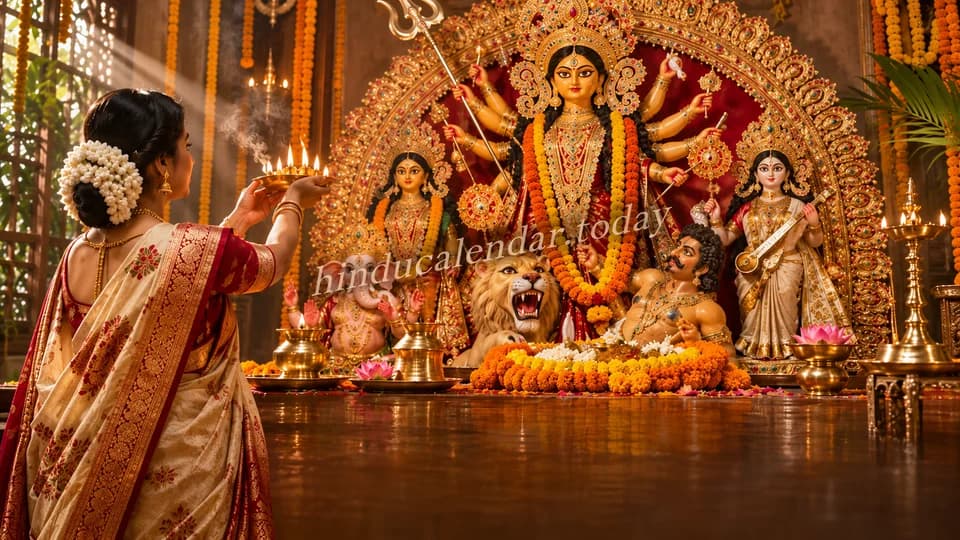
The katha is read after the puja, with the family sitting together and holding rice or flowers in the hand, and the aarti of the deity is sung at its end. When the vowed number of weeks is complete the fast is closed with an udyapan: a puja, a meal for Brahmins, children or married women, and gifts.
The stories
Most weekday kathas share a pattern: a devotee in trouble, a fast kept with faith, a test of that faith, and the deity's blessing that returns a husband, a son, health or wealth. A second part often tells of someone who mocked the fast or broke its rules, and suffered until they kept it themselves. The stories are folk tales rather than Purana texts, and they vary from region to region; the versions on these pages are the ones most widely told.