The katha
During their exile in the forest, after losing their kingdom at the game of dice, the Pandavas suffered hardship after hardship. Krishna came to visit them, and Yudhishthira asked him how their troubles could end. Krishna told him of the Ganesha fast on the Chaturthi, and of how even the gods had won their battles by first worshipping the remover of obstacles.
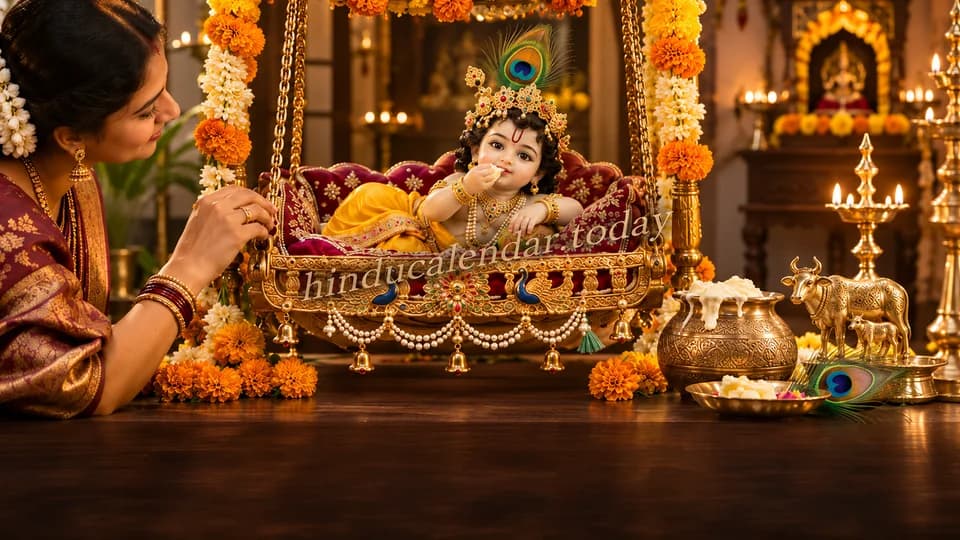
The Pandavas and Draupadi kept the fast as Krishna taught: worshipping Ganesha with durva and modak, hearing his katha and offering water to the Moon. In time their exile ended, and with Krishna at Arjuna's side they won the war at Kurukshetra and their kingdom. The story is told to show that Krishna himself, Vasudeva, gave this fast to his devotees.
The name Vasudeva means the son of Vasudeva and also the one who dwells in all beings. As the first vyuha he is the supreme self, complete in all six qualities of God.
Ganesha and the vyuhas
Naming the Chaturthis of Ganesha after Vishnu's forms reflects the old practice of worshipping the two together: Ganesha is worshipped first in every Vaishnava rite, and Vishnu himself is said to have won his victories through Ganesha's grace. Katha books differ on the months to which these four names belong.
Keeping the fast
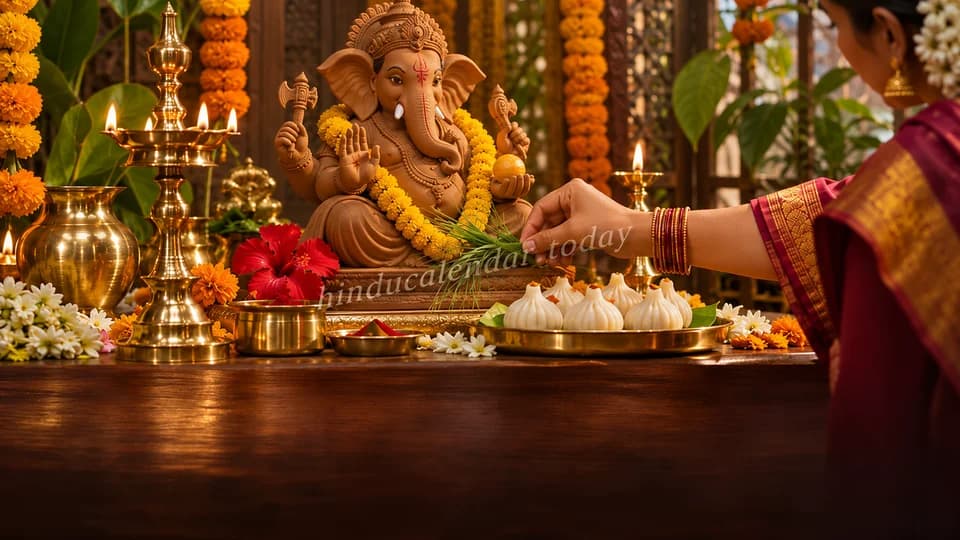
Vinayaka Chaturthi is kept on the fourth day of the waxing Moon. Ganesha is worshipped at midday, the hour of his birth, with 21 blades of durva grass, red flowers, sandal and 21 modaks or laddoos, and the katha is read. Some fast until evening, some take one meal. The Moon is not looked at on this night.