How its dates are set
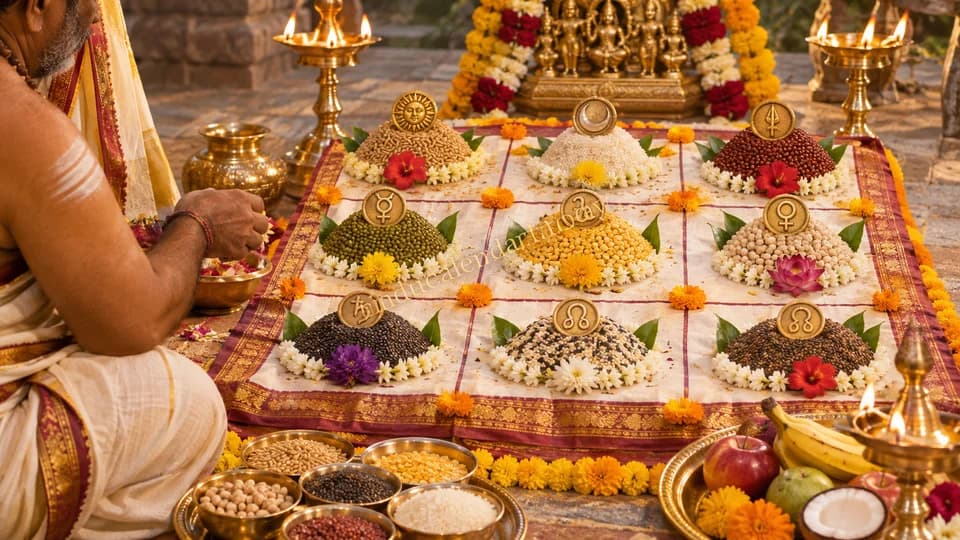
The dates follow the positions of Jupiter (Brihaspati) and the Sun, and sometimes the Moon. The Kumbha at Haridwar is held when Jupiter is in Kumbha (Aquarius) and the Sun enters Mesha; at Prayagraj when Jupiter is in Vrishabha and the Sun in Makara; at Nashik and Ujjain when Jupiter is in Simha, which is why those two are called Simhastha. As Jupiter takes about twelve years to go round the zodiac, each place has its Kumbha roughly every twelve years.
The bathing days
The most important days are the royal baths (Shahi Snan or Amrit Snan), when the akharas, the orders of sadhus, led by the naked Naga sadhus with their tridents and ash-covered bodies, process in a set order to bathe first, followed by the pilgrims. At Prayagraj these fall on Makar Sankranti, Mauni Amavasya and Vasant Panchami, with other baths on Paush Purnima, Magha Purnima and Maha Shivaratri. A dip on these days is believed to wash away the sins of many lives.
Around the bathing, a vast tent city holds camps of the akharas, discourses, kirtans and the free kitchens of religious organisations.
Kalpavas
Many pilgrims, called kalpavasis, live for a whole month on the riverbank during the Magha Mela at Prayagraj, bathing three times a day, eating once and spending their time in prayer, study and service. The tradition is especially strong in a Kumbh year.