What Valmiki says
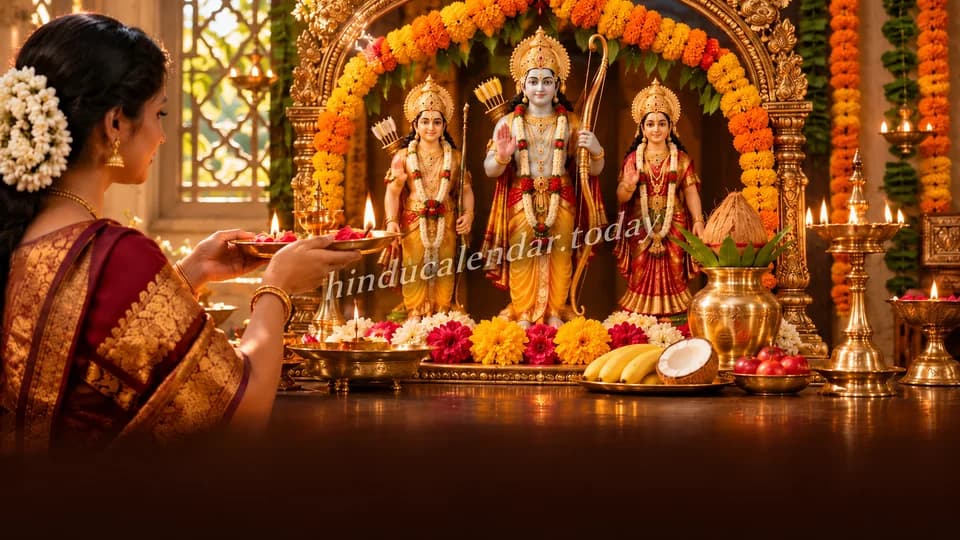
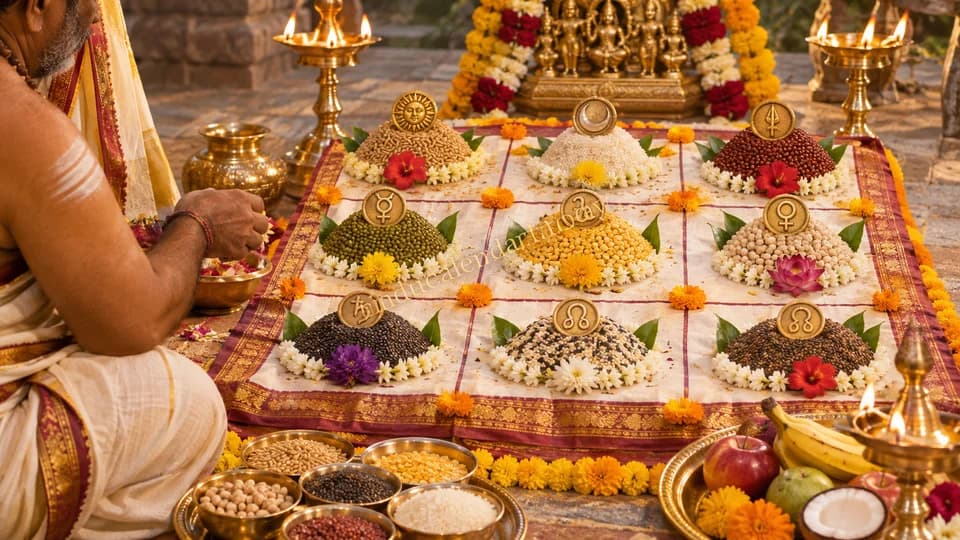
In the Bala Kanda, Valmiki writes that Rama was born on the ninth tithi of the bright half of Chaitra, under the Punarvasu nakshatra, with the lagna in Karka, where Jupiter stood with the Moon, and with five planets in their signs of exaltation: the Sun in Mesha, Mars in Makara, Jupiter in Karka, Venus in Meena and Saturn in Tula. Rama Navami is celebrated on that tithi at noon every year.
Dating attempts
In the traditional reckoning of the yugas, Rama lived in the Treta Yuga, which ended more than 860,000 years before the Kali Yuga, an immense age. Some modern researchers, using planetarium software to look for a sky that matches Valmiki's description, have proposed dates such as January 5114 BCE; others reject the method, since such a combination of five exalted planets is rare and the verses may be later additions, or point to much later periods based on history and archaeology.
No date is agreed. For devotees, Rama's birthday is the Navami of Chaitra, celebrated at noon.
Why exact dates are difficult
Valmiki's planets may describe an ideal horoscope rather than an observed sky, and the verses that give them are not found in every manuscript. A sky with five planets exalted at once is extremely rare, so dates found by software depend heavily on which verses are taken as original and on how the old calendar is reconstructed.