The order of the homa
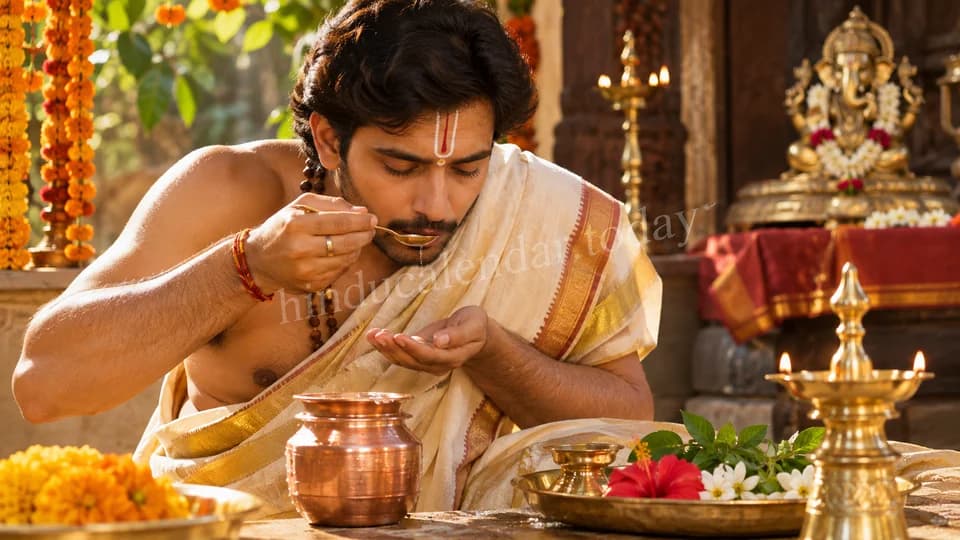
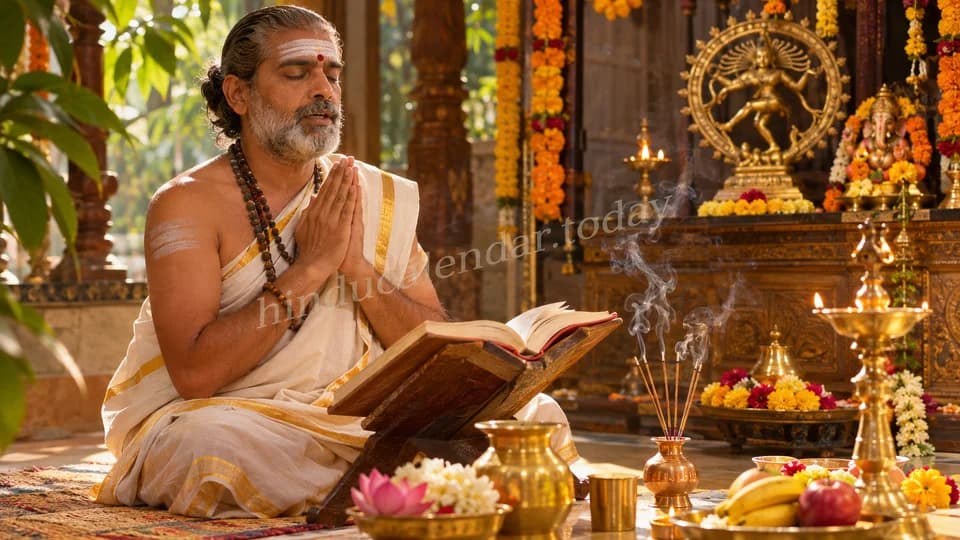
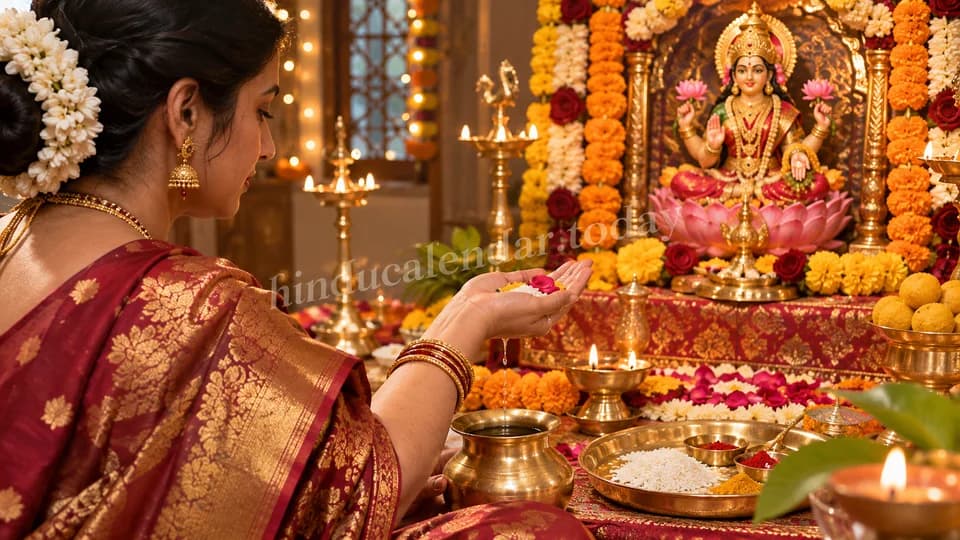
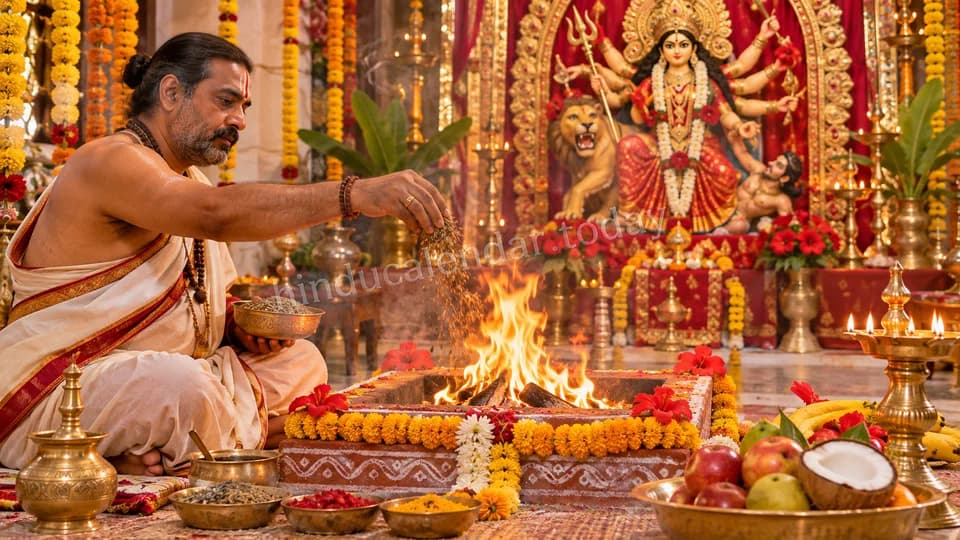
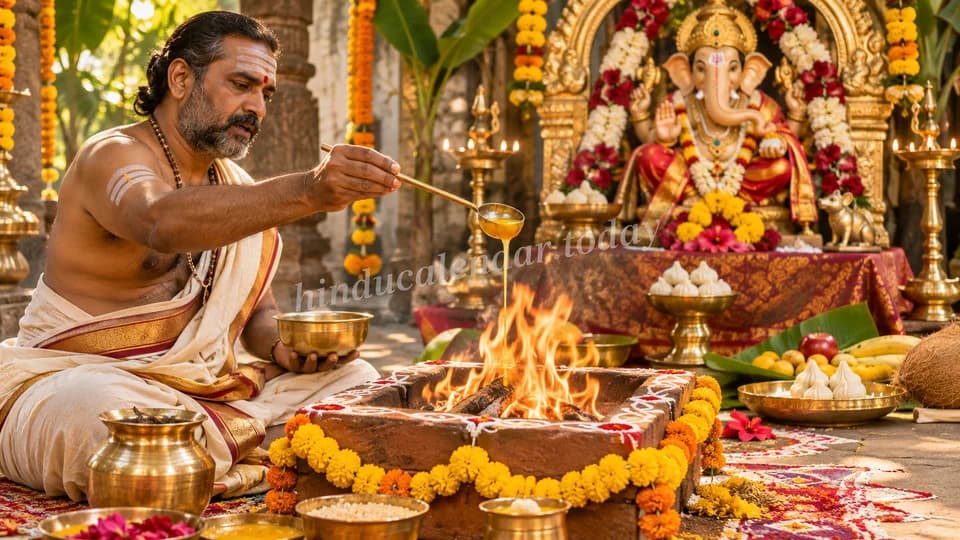
The homa is usually performed by a priest. It begins with self-purification, the sankalpa and Ganesha puja. The fire altar (homa kunda) is prepared with sand and bricks or a copper vessel, purified and drawn with lines, and the fire is kindled with mantras, often with camphor and dried coconut. Agni, the fire god, is invoked as the messenger who carries the offerings to the deity.
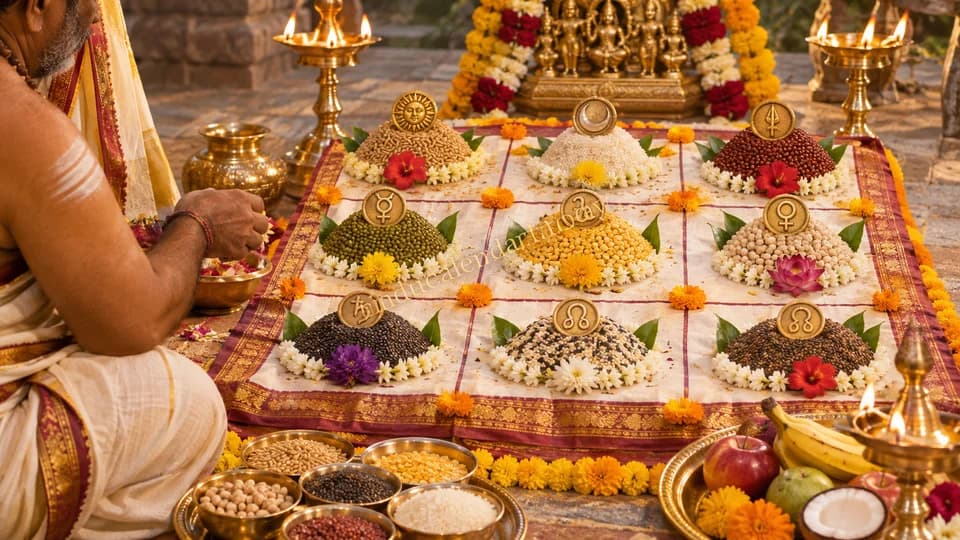
Ganesha is then invoked in the fire. Offerings of ghee are made with the Ganapati mantra, followed by the main offerings: in the Kerala tradition the eight substances (ashtadravya), such as modak, coconut, jaggery, flattened rice, sugarcane, banana, sesame and honey, are mixed and offered with the mantra "Om Gam Ganapataye Svaha", 108 or 1008 times, sometimes with verses of the Ganapati Atharvashirsha.
The close
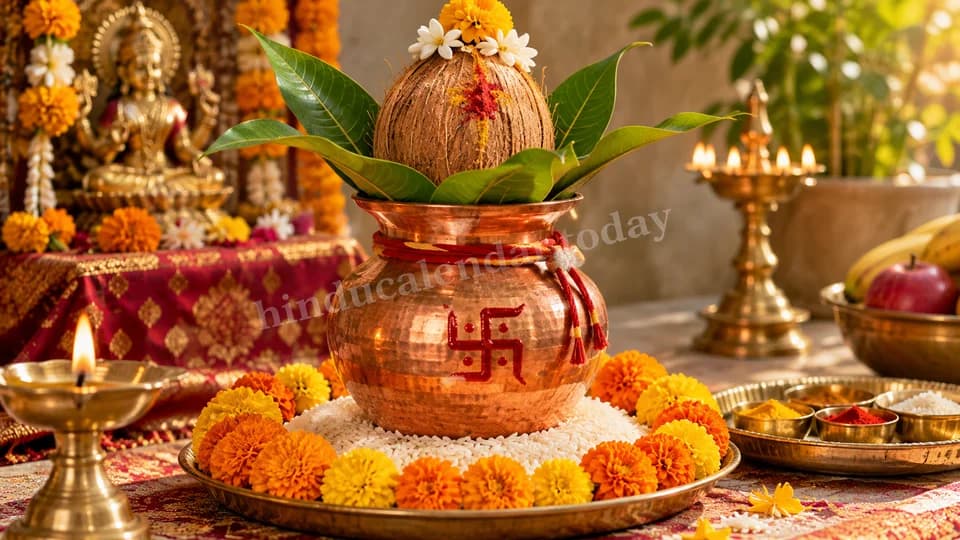
At the end comes the full offering (purnahuti): a coconut wrapped in red cloth with ghee and other offerings is placed in the fire while the priest chants. The aarti is performed, the ash of the homa is applied as tilak, and prasad is shared. The homa ends with a prayer for forgiveness and the Shanti Patha.
At home
A simple Ganapati homa can be performed at home with a small copper homa kunda: after the Ganesha puja, light the fire, offer ghee with the mantra Om Gam Ganapataye Svaha 21 or 108 times, then a coconut and a modak, and close with the aarti.