Day by day
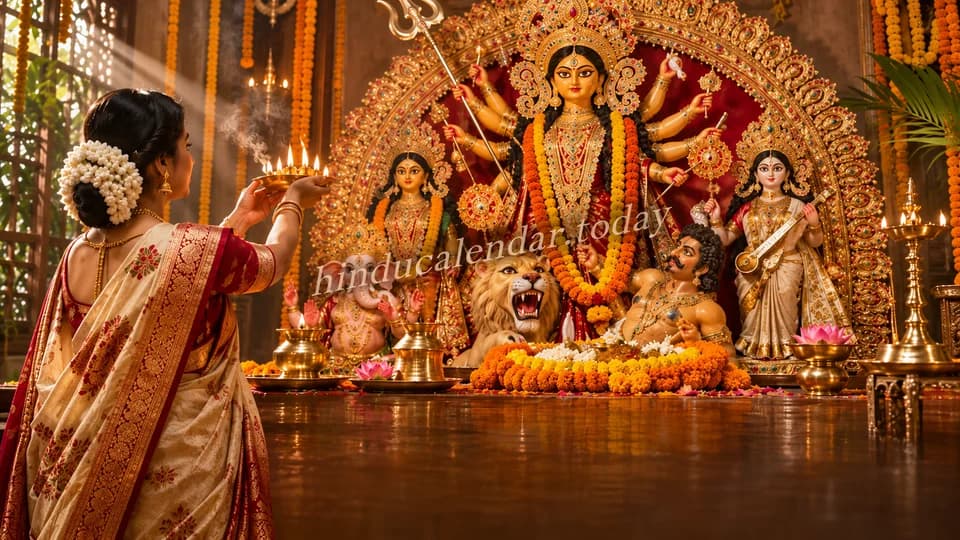
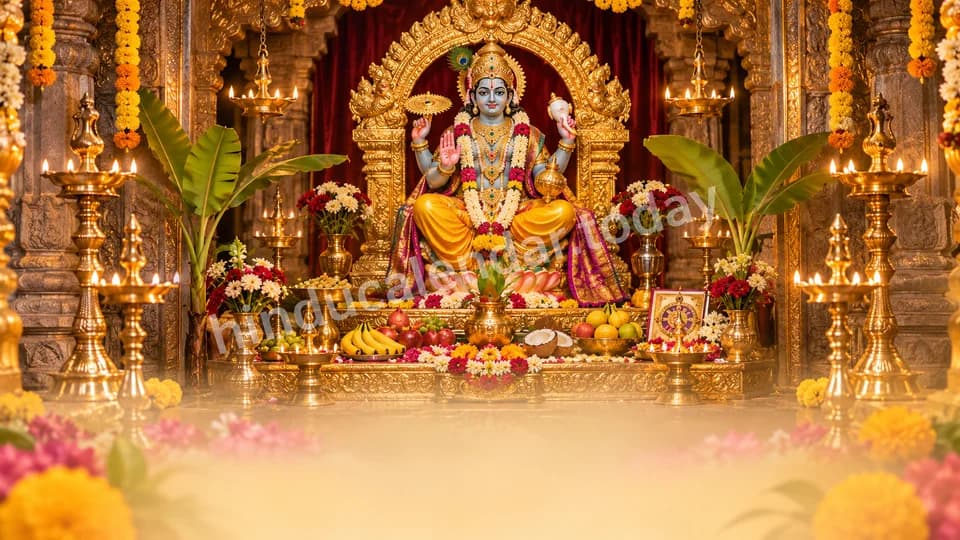
Day 1, Shailaputri: pure cow's ghee, for health. Day 2, Brahmacharini: sugar (mishri) and fruits, for long life. Day 3, Chandraghanta: milk, or kheer and sweets made of milk, to remove sorrow. Day 4, Kushmanda: malpua, for wisdom. Day 5, Skandamata: bananas, for health. Day 6, Katyayani: honey, for charm and good relationships. Day 7, Kalaratri: jaggery, to remove fear and obstacles. Day 8, Mahagauri: coconut, to fulfil wishes. Day 9, Siddhidatri: sesame, or the Kanya Puja meal of halwa, puri and black chana, for protection and accomplishment.
Fasting foods
Those who fast through Navratri eat no grain, onion or garlic, and use rock salt. Common vrat dishes are sabudana khichdi, kuttu or singhara puris, potato sabzi, samak rice, makhana kheer, fruits, milk and curd. Many eat one meal a day, after the evening aarti.
The Kanya Puja meal
On the Ashtami or Navami, nine young girls, and often a boy as Bhairava or Langur, are invited, their feet washed, a tilak applied and a red thread tied, and they are fed halwa, puri and dry black chana as the goddess herself, then given gifts and their blessings sought.
Sharing the prasad
The bhog of each day is offered at the evening aarti and then shared with the family. Many give it to the poor, to a temple or to young girls, since giving the goddess's prasad to others is held to multiply its blessing.