Why the katha is read
The scriptures say that the fruit of a vrat comes from three things together: the fast, the worship and the hearing of its story. The katha reminds the one keeping the vrat of its purpose, and often warns of what follows when it is broken or mocked. Many kathas end with the words that whoever hears or reads the story with faith receives the same blessing as its heroes.
The kathas come from two sources. Some are passages of the Puranas, such as the Satyanarayana katha from the Skanda Purana or the stories of the avatars told at the Dwadashis. Others are folk tales, handed down by women from mother to daughter and printed in small vrat books, like the stories of the weekday fasts and of Santoshi Mata. Folk kathas differ from region to region; the versions here are those most widely told.
How it is read
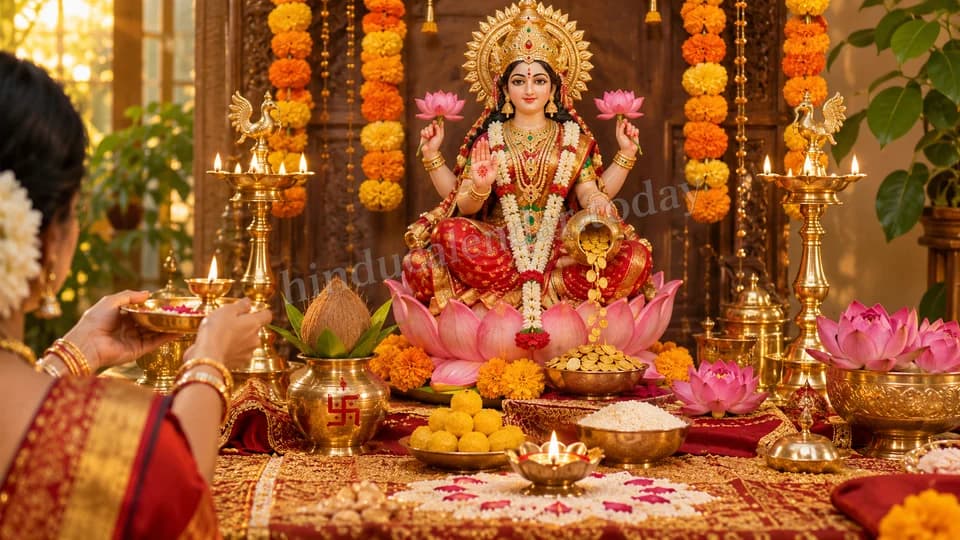
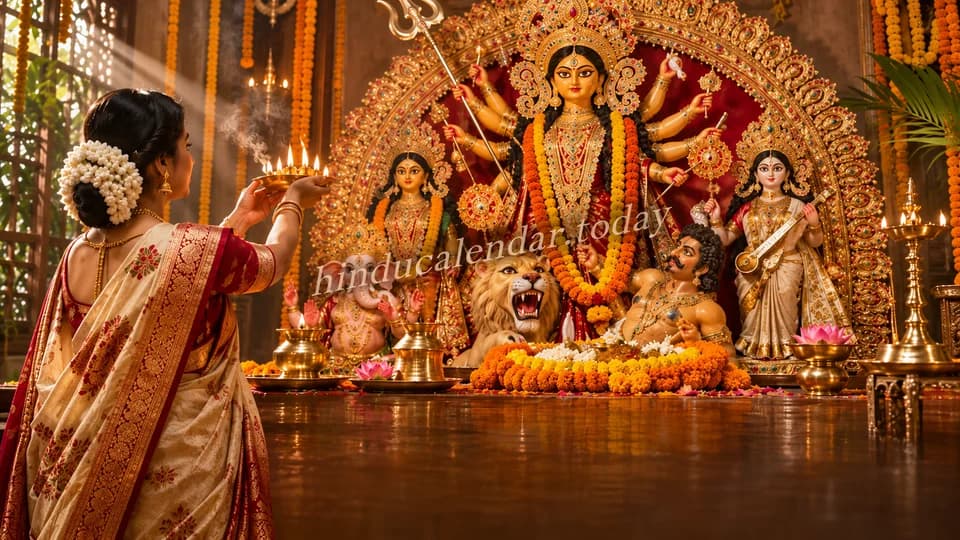
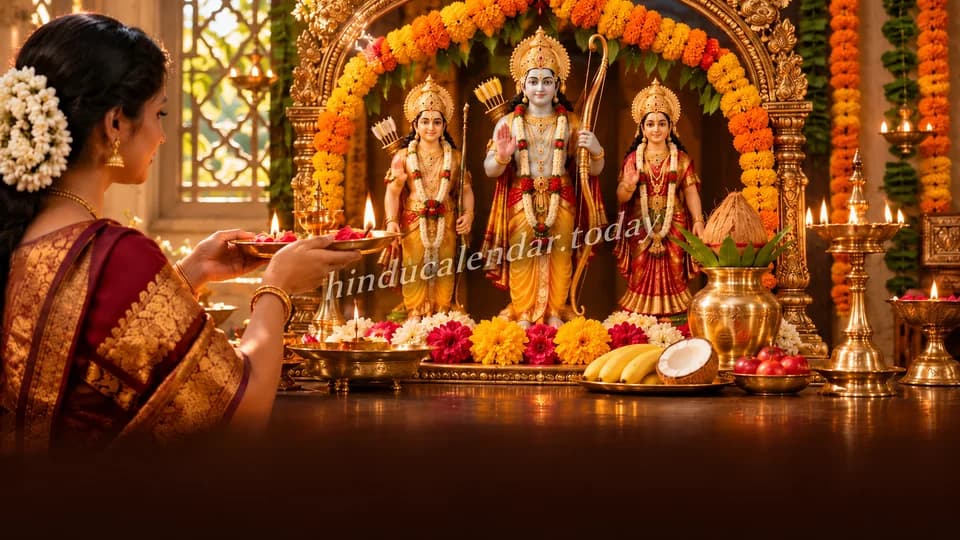
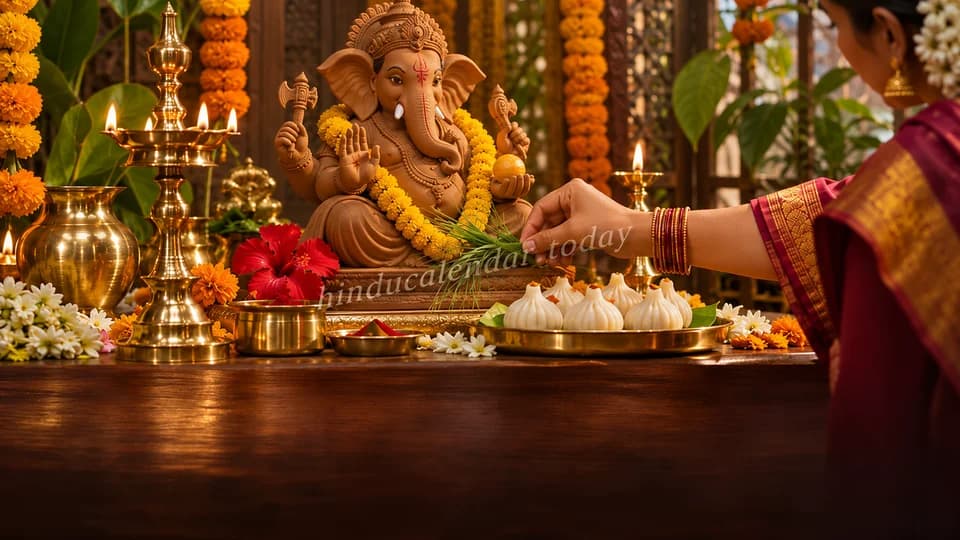
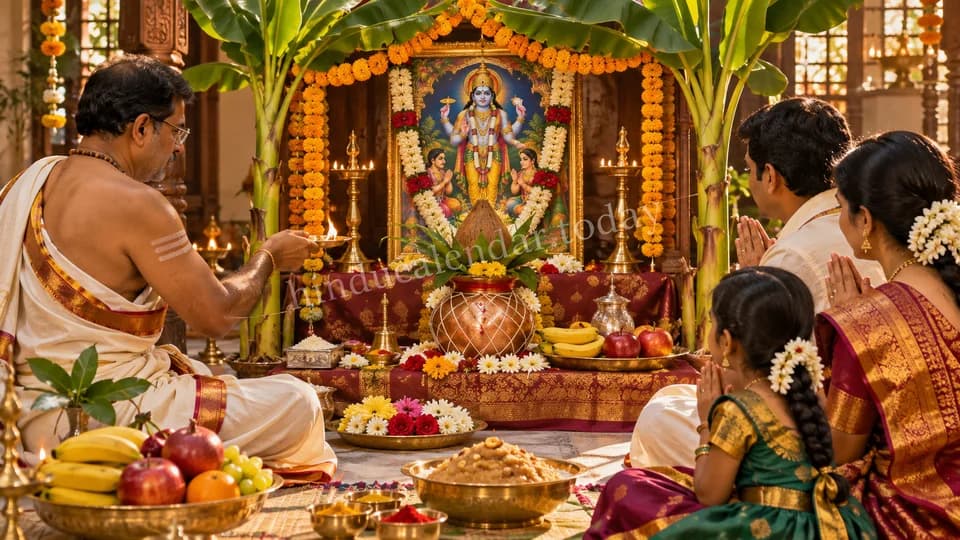
The family sits facing the altar after the puja. One person reads aloud while the others listen holding a little rice, a flower or blades of durva. Nobody gets up in the middle. At the end, the rice or flowers are offered to the deity, the aarti is sung and the prasad is shared, which must be eaten with respect.