Where Is Rudraksha Found?
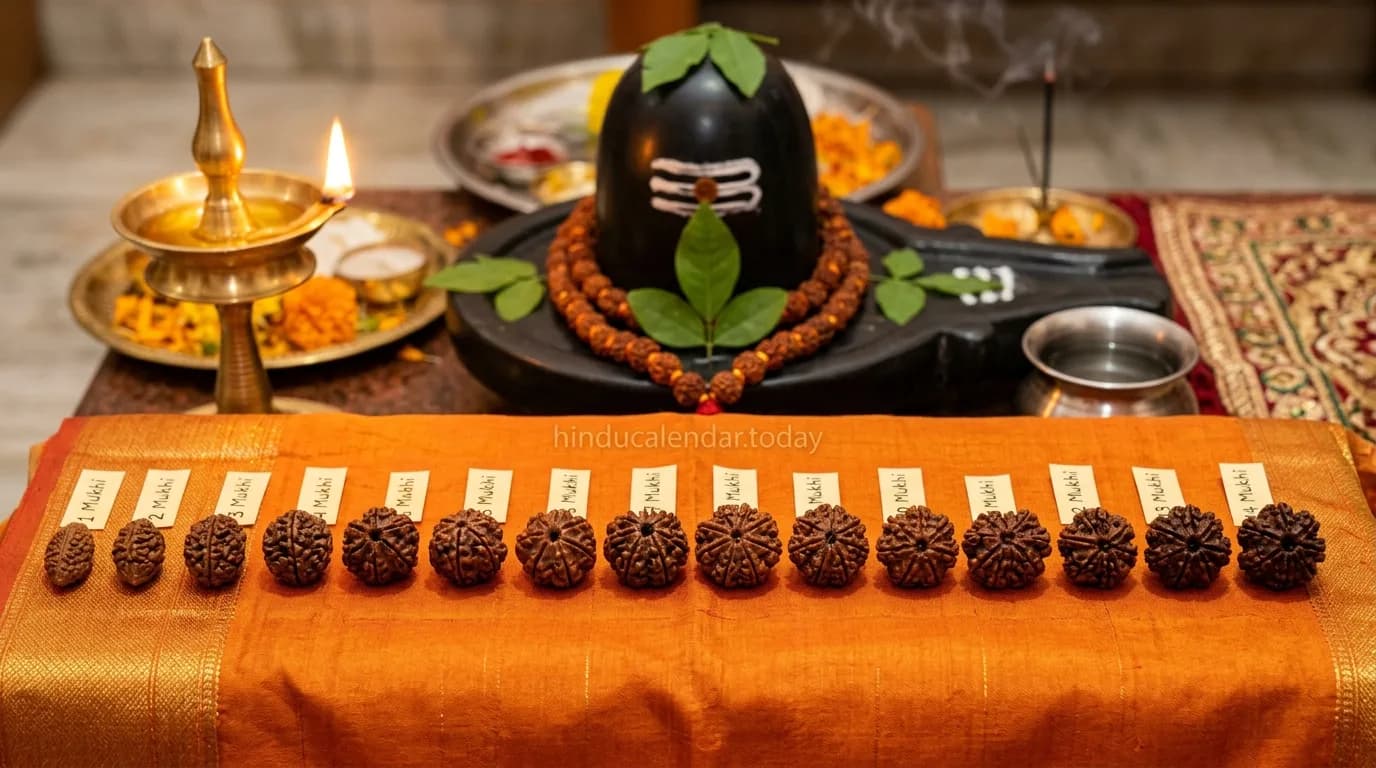
Rudraksha trees grow in several regions of South and Southeast Asia. In India, they are traditionally associated with Uttarakhand, Bengal, Assam, Mysore, and the Nilgiri Hills. Nepal and Indonesia are also well known for producing Rudraksha beads.
Appearance and Natural Characteristics
The Rudraksha tree produces white flowers and greenish fruits. The seed inside the fruit is known as the Rudraksha bead. Its naturally formed lines or grooves are called Mukhs or Mukhi lines, and these determine its traditional classification. Rudraksha beads may differ in colour, shape, size, and the number of natural grooves. Traditionally described colours include white, black, yellow, and red.
Nepal and Indonesian Rudraksha
Nepal Rudraksha is generally described as larger and more rounded, with an appearance often compared to an Amla fruit, while Indonesian Rudraksha is usually smaller in size and commonly dark in colour. The Shiva Mahapurana describes an Amla-shaped Rudraksha as especially auspicious and associated with protection from misfortune.
Spiritual and Traditional Significance
Rudraksha is regarded as a powerful symbol of devotion to Lord Shiva. According to the Shiva Purana, worshipping and wearing Rudraksha can help devotees seek the blessings of Lord Shiva and Goddess Parvati, support spiritual purification, and progress towards liberation (Moksha). Different Mukhi beads carry different spiritual qualities and benefits, selected based on religious traditions and personal devotion. If someone cannot wear Rudraksha, traditional practice also allows the bead to be worshipped with devotion and offered Abhishekam in a manner similar to the worship of Lord Shiva.
Spiritual growth
Encourages devotion, meditation, and spiritual discipline.
Divine blessings
Symbolises a devotee's connection with Lord Shiva.
Planetary associations
Different Mukhi Rudraksha beads are traditionally associated with particular planets and are used in certain astrological practices.
Protection
Religious traditions associate Rudraksha with protection from negative influences and spiritual obstacles.
Traditional Ayurvedic interest
Rudraksha has been discussed in traditional healing practices, including historical references to blood pressure, heart-related conditions, constipation, leucorrhoea, epilepsy, and other ailments. These traditional claims are not established medical treatments or substitutes for professional healthcare.
Spiritual reassurance
Rudraksha is traditionally recommended by some religious sources for devotees concerned about untimely death and other fears.
Types and Classification
Traditional Hindu texts describe Rudraksha in several ways, including classifications based on colour, origin, and the number of Mukhi lines. Varna refers to a traditional social classification used in the source texts. These historical descriptions should be understood in their religious and cultural context rather than as restrictions on who may wear Rudraksha.
Traditional Classification by Colour
- Shweta Varna (white): Associated with Brahmins.
- Rakta Varna (red): Associated with Kshatriyas.
- Peeta Varna (yellow): Associated with Vaishyas.
- Krishna Varna (black): Associated with Shudras.
Classification by Origin and Mukhi
Traditional accounts also refer to 28 varieties of Rudraksha, describing 12 Kapila-coloured beads as originating from the Sun-facing eye (Surya Netra) of Lord Shiva and 16 white beads as originating from the Moon-facing eye (Soma Netra). Some scriptural classifications describe 14 principal types from Eka Mukhi through Chaturdasha Mukhi, while references to Rudraksha with as many as 21 Mukhi lines appear in various religious texts as exceptionally rare. Each type has its own traditional presiding deity, spiritual symbolism, planetary association, and significance.
Eka to Chaturdasha Mukhi
The 14 Types of Rudraksha

1. One Face
Eka Mukhi Rudraksha
- Presiding deity
- Lord Shiva
- Planetary association
- Surya (Sun)
- Traditional mantra
- Om Hreem Namah
Eka Mukhi Rudraksha is regarded as a direct symbol of Lord Shiva and holds a particularly revered position in Hindu spiritual traditions.
According to the Shiva Purana, Lord Shiva explains to Goddess Parvati that this Rudraksha can bestow worldly fulfilment as well as spiritual liberation (Moksha). Daily worship of this bead is traditionally believed to help devotees fulfil their sincere wishes.
The place where Eka Mukhi Rudraksha is worshipped is considered spiritually auspicious and protected from disturbances. Wearing or worshipping it is also associated with seeking relief from difficulties attributed to Surya in Vedic astrology.
Explore further: Use the Rudraksha Calculator to identify your bead.

2. Two Faces
Do Mukhi Rudraksha
- Presiding deity
- Ardhanarishvara, also associated with Devadeveshvara
- Planetary association
- Chandra (Moon)
- Traditional mantra
- Om Namah
Do Mukhi Rudraksha represents the divine unity symbolised by Ardhanarishvara, the combined form of Lord Shiva and Goddess Parvati.
It is traditionally associated with harmony, emotional balance, and relationships. Devotees may choose this bead when seeking harmony in married life or relief from mental unrest.
In Vedic astrology, Do Mukhi Rudraksha is linked with Chandra. Wearing or worshipping it is believed to help mitigate difficulties traditionally attributed to an afflicted Moon.
Explore further: Use the Rudraksha Calculator to identify your bead.

3. Three Faces
Tri Mukhi Rudraksha
- Presiding deity
- Associated with the spiritual power described in the Shiva Purana
- Planetary association
- Mangala (Mars)
- Traditional mantra
- Om Kleem Namah
Tri Mukhi Rudraksha is traditionally associated with spiritual discipline, personal transformation, and the fruits of religious practices.
According to the Shiva Purana, wearing this bead is believed to help a person progress towards knowledge and spiritual accomplishment. It is also associated with courage, the ability to overcome adversaries, and strength in difficult circumstances.
In Vedic astrology, Tri Mukhi Rudraksha is connected with Mangala. Traditional accounts also associate it with overcoming blood-related disorders; however, this religious association is not a substitute for medical diagnosis or treatment.
Explore further: Use the Rudraksha Calculator to identify your bead.

4. Four Faces
Chatura Mukhi Rudraksha
- Presiding deity
- Lord Brahma
- Planetary association
- Budha (Mercury)
- Traditional mantra
- Om Hreem Namah
Chatura Mukhi Rudraksha represents Lord Brahma, the creator in the Hindu Trimurti.
It is particularly valued for its association with education, knowledge, intellectual development, and creative expression. According to traditional belief, wearing or even touching this Rudraksha can support the fourfold aims of human life, known as Chaturvidha Purushartha.
Its association with Budha in Vedic astrology makes it a traditional choice for those seeking to strengthen qualities related to learning, communication, reasoning, and intellect.
Explore further: Use the Rudraksha Calculator to identify your bead.

5. Five Faces
Pancha Mukhi Rudraksha
- Presiding deity
- Kalagni Rudra, a form of Lord Shiva
- Planetary association
- Guru (Jupiter)
- Traditional mantra
- Om Hreem Namah; Om Namah Shivaya
Pancha Mukhi Rudraksha is one of the most widely available Rudraksha varieties. It represents Kalagni Rudra, a powerful manifestation of Lord Shiva.
This bead is commonly associated with spiritual strength, devotion, and the development of inner discipline. Wearing it is traditionally believed to support spiritual well-being and help devotees seek relief from adverse planetary influences attributed to Guru.
Because of its widespread availability and strong association with Lord Shiva, Pancha Mukhi Rudraksha is commonly used in prayer malas and daily spiritual practices.
Explore further: Use the Rudraksha Calculator to identify your bead.

6. Six Faces
Shada Mukhi Rudraksha
- Presiding deity
- Lord Kartikeya
- Planetary association
- Shukra (Venus)
- Traditional mantra
- Om Hreem Hum Namah
Shada Mukhi Rudraksha represents Lord Kartikeya, the divine warrior associated with courage, discipline, and victory.
According to traditional belief, wearing this bead on the right arm can help a devotee seek spiritual purification, even in relation to grave sins described in religious texts, including Brahmahatya.
In Vedic astrology, Shada Mukhi Rudraksha is associated with Shukra. Its spiritual symbolism is connected with discipline, self-control, and overcoming challenges traditionally attributed to an afflicted Venus.
Explore further: Use the Rudraksha Calculator to identify your bead.

7. Seven Faces
Sapta Mukhi Rudraksha
- Presiding deity
- Traditionally known as Ananga
- Planetary association
- Shani (Saturn)
- Traditional mantra
- Om Hum Namah
Sapta Mukhi Rudraksha is traditionally associated with prosperity, material stability, and relief from persistent difficulties.
Religious descriptions suggest that wearing this bead can help a person overcome financial hardship and move towards greater prosperity. It is also associated with mitigating the adverse effects attributed to Shani in Vedic astrology.
Traditional accounts further connect this Rudraksha with spiritual purification from the sin of stealing gold, as described in religious literature.
Explore further: Use the Rudraksha Calculator to identify your bead.

8. Eight Faces
Ashta Mukhi Rudraksha
- Presiding deity
- Ashtamurti Bhairava
- Planetary association
- Rahu
- Traditional mantra
- Om Hum Namah
Ashta Mukhi Rudraksha represents Ashtamurti Bhairava and is traditionally associated with protection, courage, and overcoming obstacles.
Wearing this bead is believed to help devotees seek protection from untimely death and difficulties associated with Rahu. It is also associated in traditional accounts with spiritual purification from certain forms of misconduct, including illicit relationships and food theft.
Devotees may choose Ashta Mukhi Rudraksha as part of their spiritual practices when seeking strength, protection, and relief from challenging circumstances.
Explore further: Use the Rudraksha Calculator to identify your bead.

9. Nine Faces
Nava Mukhi Rudraksha
- Presiding deity
- Goddess Durga in her nine forms; also associated with Bhairava and Kapila Muni
- Planetary association
- Ketu
- Traditional mantra
- Om Hreem Hum Namah
Nava Mukhi Rudraksha is associated with the nine forms of Goddess Durga and symbolises divine power, courage, and protection.
According to traditional belief, a devoted person who wears this Rudraksha on the left arm may receive blessings associated with Lord Shiva. The bead is also used in religious practices intended to seek relief from difficulties attributed to Ketu.
Certain traditional descriptions associate Nava Mukhi Rudraksha with relief from Garbha Dosha, a term used in specific religious and astrological contexts concerning pregnancy-related concerns. Such beliefs should not replace appropriate medical care.
Explore further: Use the Rudraksha Calculator to identify your bead.

10. Ten Faces
Dasha Mukhi Rudraksha
- Presiding deity
- The Dashavatara, the ten incarnations of Lord Vishnu
- Traditional mantra
- Om Hreem Namah
Dasha Mukhi Rudraksha is dedicated to the ten incarnations of Lord Vishnu, who is deeply revered by Lord Shiva.
This bead is traditionally associated with protection, the removal of obstacles, and spiritual reassurance during difficult periods of life. Religious traditions also connect it with protection from negative spiritual influences, including fears related to ghosts, spirits, and black magic.
Devotees may wear or worship Dasha Mukhi Rudraksha as part of their spiritual discipline while seeking peace, stability, and divine protection.
Explore further: Use the Rudraksha Calculator to identify your bead.
11. Eleven Faces
Ekadasha Mukhi Rudraksha
- Presiding deity
- Lord Rudra
- Traditional mantra
- Om Hreem Hum Namah
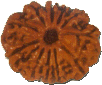
Ekadasha Mukhi Rudraksha represents Lord Rudra and is traditionally associated with victory, strength, and success in different aspects of life.
According to the Shiva Purana, Lord Shiva explained to Kartikeya that wearing this Rudraksha can provide spiritual merit equivalent to performing one thousand Ashwamedha Yajnas, one thousand Vajapeya Yajnas, and one thousand acts of Godan, or the gifting of cows.
This comparison highlights the exceptional spiritual significance attributed to the bead in traditional Hindu literature.
Explore further: Use the Rudraksha Calculator to identify your bead.

12. Twelve Faces
Dwadasha Mukhi Rudraksha
- Presiding deity
- The Dwadasha Adityas, the twelve solar deities
- Planetary association
- Surya (Sun)
- Traditional mantra
- Om Kraum Kshaum Raum Namah
Dwadasha Mukhi Rudraksha symbolises the brilliance, radiance, and divine power of the twelve Adityas.
It is traditionally associated with leadership, confidence, personal authority, and the ability to face obstacles. According to the Shiva Purana, wearing this bead on the forehead is believed to bestow exceptional radiance.
Traditional accounts also associate Dwadasha Mukhi Rudraksha with overcoming obstacles and reducing the fear of Rajabhaya, or fear arising from rulers, authority, or those in positions of power.
Explore further: Use the Rudraksha Calculator to identify your bead.

13. Thirteen Faces
Trayodasha Mukhi Rudraksha
- Presiding deity
- Vishvadevas, with blessings associated with Lord Indra and other deities
- Traditional mantra
- Om Hreem Namah
Trayodasha Mukhi Rudraksha is traditionally associated with good fortune, prosperity, attraction, and the enjoyment of life's blessings.
In the Shiva Purana, Lord Shiva tells Goddess Parvati that wearing this Rudraksha can enhance fortune and prosperity. It is also believed to develop a distinctive charm that draws people towards the wearer.
The Vishvadevas are traditionally described as having authority over this Rudraksha, while the blessings of Lord Indra and other deities are associated with abundance, comfort, and worldly enjoyment.
Explore further: Use the Rudraksha Calculator to identify your bead.
14. Fourteen Faces
Chaturdasha Mukhi Rudraksha
- Presiding deity
- Parama Shiva
- Traditional mantra
- Om Namah
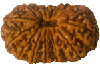
Chaturdasha Mukhi Rudraksha is regarded as a manifestation of Parama Shiva and holds an important place in traditional Rudraksha classifications.
Wearing this bead on the forehead with sincere devotion is believed to bring the wearer closer to the divine qualities of Lord Shiva. It is associated with spiritual growth, inner strength, courage, and the pursuit of prosperity.
Because of its traditional spiritual significance, Chaturdasha Mukhi Rudraksha is often regarded as a particularly auspicious bead for devotees seeking deeper spiritual development and divine blessings.
Explore further: Use the Rudraksha Calculator to identify your bead.
How to Wear Rudraksha
The traditional procedure for wearing Rudraksha is described in Hindu religious literature. In the accounts associated with Naimisharanya, Mahatma Suta Ji explains to the assembled sages that Rudraksha may be worn on different parts of the body, including the head, neck, ears, arms, and abdomen.
Where Can Rudraksha Be Worn?
- Head: Associated with the Ishana Mantra.
- Ears: Associated with the Tatpurusha Mantra.
- Heart or chest: Associated with the Aghora Mantra.
- Abdomen: Associated with the Vamadeva Mantra.
- Neck: A common choice for devotees who wish to wear Rudraksha as a necklace.
Some traditional descriptions refer to a set of 15 Rudraksha beads worn at different body locations, with specific mantras associated with each placement. For everyday practice, devotees who wear Rudraksha around the neck may sanctify it with the Pranava Mantra, the Panchakshara Mantra, or other appropriate mantras.
Steps for Preparing Rudraksha Before Wearing
- 1
Inspect the bead
Choose a bead that is intact and free from visible damage or insect infestation.
- 2
Prepare the Rudraksha
The traditional procedure described in the source recommends soaking the bead in ghee one day before wearing it.
- 3
Perform worship
Offer prayers and worship the Rudraksha with devotion, following the customary rituals.
- 4
Perform Abhishekam
Ritually bathe the bead in a manner similar to the Abhishekam performed for Lord Shiva, according to the tradition being followed.
- 5
Recite the appropriate mantra
Sanctify the Rudraksha through the Pranava, Panchakshara, or other relevant mantra before wearing it.
These instructions reflect traditional religious practices. Specific rituals may vary across lineages and communities, so devotees may follow the guidance of their family tradition or spiritual teacher.
Rules and Precautions
Rudraksha is traditionally worn with devotion, discipline, and respect. Religious texts and scholars describe certain practices that devotees may follow while wearing the beads.
Who Can Wear Rudraksha?
Traditional beliefs recognise Rudraksha as suitable for Brahmacharis, Grahastas, Vanaprasthas, and Sanyasis. People of different ages and genders, including children and older adults, are traditionally considered eligible to wear Rudraksha. These descriptions emphasise that Rudraksha is intended for the spiritual welfare of all living beings.
Dietary and Lifestyle Observances
Certain traditions recommend abstaining from meat, alcohol, garlic, onions, turnips, drumsticks, and gourds. These observances may differ according to the practices followed by individual devotees.
Cleanliness and Worship
- Maintain cleanliness: Avoid handling Rudraksha with unclean hands.
- Respect the bead: Do not wear beads that are broken, insect-infested, or visibly damaged.
- Follow purification practices: Certain scholars recommend removing Rudraksha before sexual activity and attending cremation ceremonies, then wearing it again after the prescribed purification (Shuddhi).
- Avoid direct contact with the Shivalinga: The source's traditional instructions advise against touching the Shivalinga with a Rudraksha that is being worn.
- Perform daily worship: Devotees are encouraged to offer Jalabhishekam, or water Abhishekam, to Lord Shiva every day.
- Observe special days: If daily worship is not possible, Shivarchana is traditionally recommended at least on Mondays or Pradosha days.
The precise observances may vary between religious traditions. Devotees can follow the guidance of their own sampradaya or spiritual teacher.
Frequently Asked Questions
What is Rudraksha?
Rudraksha is the seed of a tree traditionally associated with Lord Shiva. In Hindu spirituality, it symbolises devotion, divine protection, and spiritual growth.
Why is Rudraksha considered sacred?
According to traditional Hindu accounts, Rudraksha originated from the tears of Lord Shiva. Its significance is described in scriptures such as the Shiva Mahapurana and the Shrimad Devi Bhagavata Purana.
What does Mukhi mean in Rudraksha?
Mukhi refers to the naturally formed lines or grooves on a Rudraksha bead. The number of these lines determines its traditional classification, such as Eka Mukhi for one face and Pancha Mukhi for five faces.
How many types of Rudraksha are described?
Traditional literature discusses several classifications. The Shiva Mahapurana describes the principal types from Eka Mukhi to Chaturdasha Mukhi, while other scriptural accounts refer to additional varieties, including beads with up to 21 Mukhi lines.
Which Rudraksha is suitable for a particular purpose?
Each Mukhi type has its own traditional deity, symbolism, and, in some cases, planetary association. Selection may depend on an individual's spiritual practice, religious tradition, or astrological beliefs.
Can anyone wear Rudraksha?
According to the traditional beliefs described here, Rudraksha can be worn by people of different ages, genders, and stages of life. Specific dietary, ritual, and lifestyle observances may vary according to tradition.
What should I do if I cannot wear Rudraksha?
Traditional practice allows a Rudraksha bead to be worshipped even when it cannot be worn. Devotees may offer prayers and perform Abhishekam with the same reverence given to Lord Shiva.
How should Rudraksha be cared for?
Keep the bead clean, inspect it for damage, and handle it respectfully. Follow the preparation, purification, and worship practices recommended by your own religious tradition.
Discover Your Rudraksha Type
Every Rudraksha has a naturally formed structure, and its Mukhi count is an important part of its traditional identification. Understanding the number of Mukhi lines can help you learn about the bead's associated deity, spiritual symbolism, and traditional significance.
Open Rudraksha Calculator