The kheer and the worship
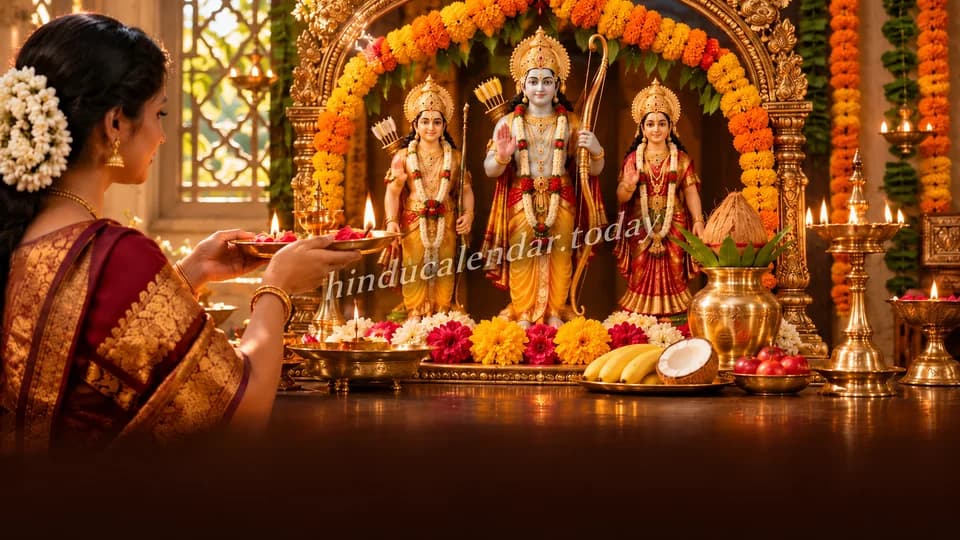
Food cooked before or during the sutak is not eaten, so the kheer for the moonlight is made after the eclipse ends and everyone has bathed, then set out in the moonlight for the rest of the night and eaten in the morning as prasad. The worship of Lakshmi and the Moon is also done after the eclipse. If the eclipse lasts late into the night, many keep the kheer out only for a short while, or offer it the next evening.
The vigil of Kojagara can continue through the eclipse with chanting and the names of Lakshmi and Vishnu, which is itself held especially meritorious during an eclipse.
If the eclipse is not visible in your city, its sutak does not apply, and the night is kept as usual.
Rules around an eclipse
For a lunar eclipse the sutak, the period of inauspiciousness, begins nine hours before the eclipse (for a solar eclipse, twelve hours). During sutak and the eclipse, temples close, images are not touched, cooking and eating are avoided, and tulasi or kusha leaves are put in stored food and water. Children, the elderly, the sick and pregnant women are exempt from the fast. During the eclipse itself people chant mantras, which are said to bear many times their usual merit. When it ends, the house is cleaned, everyone bathes, the temple is purified and charity is given. Sutak applies only where the eclipse is visible.