The months
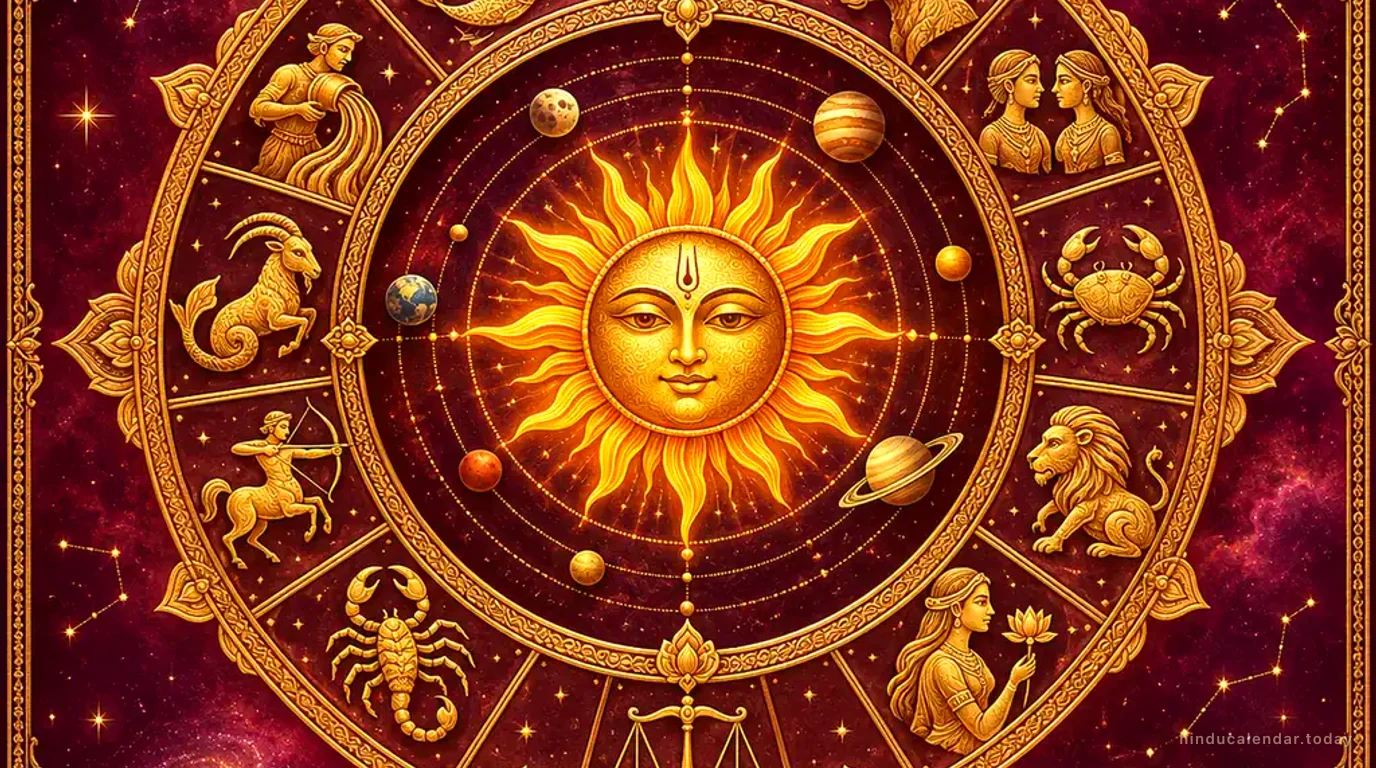
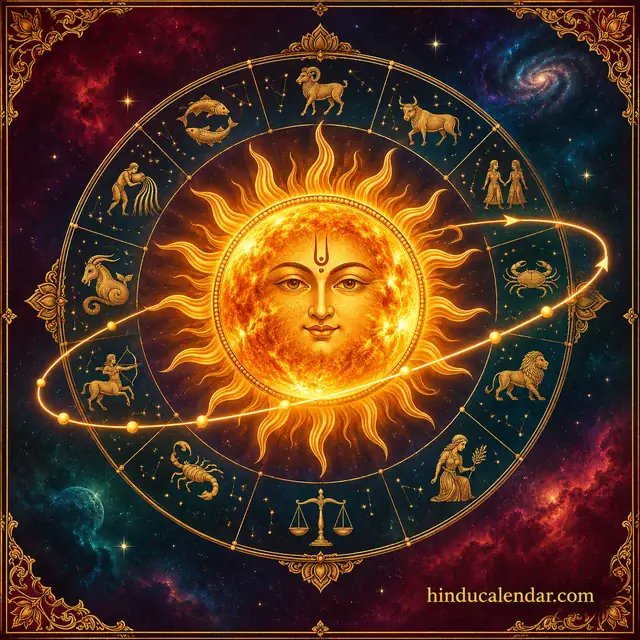
Weddings are held when the Sun is in Mesha, Vrishabha, Mithuna, Tula, Vrishchika, Makara or Kumbha, and not when it is in Karka, Simha, Kanya, Dhanu or Meena. The months of the Sun in Dhanu and Meena (the Kharmas, roughly mid-December to mid-January and mid-March to mid-April) are the best known of the closed periods. The four months of Chaturmas, from Devshayani Ekadashi in Ashadha to Prabodhini Ekadashi in Kartika, when Vishnu is said to sleep, are also closed, and so is an adhika masa, the extra lunar month.
The nakshatra
Eleven of the twenty-seven nakshatras are held good for a wedding: Rohini, Mrigashira, Magha, Uttara Phalguni, Hasta, Swati, Anuradha, Mula, Uttara Ashadha, Uttara Bhadrapada and Revati. The others are passed over. Within the allowed ones, the first pada of Magha and Mula and the last pada of Ashlesha, Jyeshtha and Revati, the junctions of the water and fire signs (gandanta), are also avoided.
Yoga and karana
Nine of the twenty-seven yogas of the day spoil a wedding moment: Vishkambha, Atiganda, Shula, Ganda, Vyaghata, Vajra, Vyatipata, Parigha and Vaidhriti. Five karanas, the half-tithis, are avoided too: Vishti (also called Bhadra), Shakuni, Chatushpada, Naga and Kimstughna. Because the yoga and the karana change several times in a day, what is checked is the moment, and the muhurta is a window in which none of them is running.
Jupiter and Venus
The two benefics that bless a marriage must be present in the sky. When Guru (Jupiter) or Shukra (Venus) is too close to the Sun to be seen, they are said to be set (asta), and weddings are not held, nor in the three days before and after, when the graha is weak (the "old age" and "childhood" of the planet). Shukra's setting takes it out of the calendar for some weeks nearly every year, which is why the number of wedding dates varies so much.
Then the couple
The panchang gives the days on which a wedding can be held; whether it should be held for this couple depends on their charts. Families first match the horoscopes (the Ashta Kuta of the nakshatras of the bride and groom) and check Mangal Dosha, and only then choose among the open dates. Local custom adds its own rules: some communities avoid certain weekdays or the days of a family mourning, and many prefer the dates their family priest recommends.