The katha
When the gods and the asuras churned the ocean of milk, Vishnu took the form of the tortoise Kurma to hold Mount Mandara on his back. As the mountain spun and rubbed against him, some of the hairs of his body came loose and were washed ashore by the waves. There they took root and grew into green durva grass.
When at last the nectar of immortality rose from the ocean, the gods carried the pot away, and a few drops of it fell on the durva. So the grass became immortal: however often it is cut, trampled or burned, it springs up again. Because it was born of Vishnu's body and touched by the nectar, it became sacred, and the gods ordained that it would be worshipped.
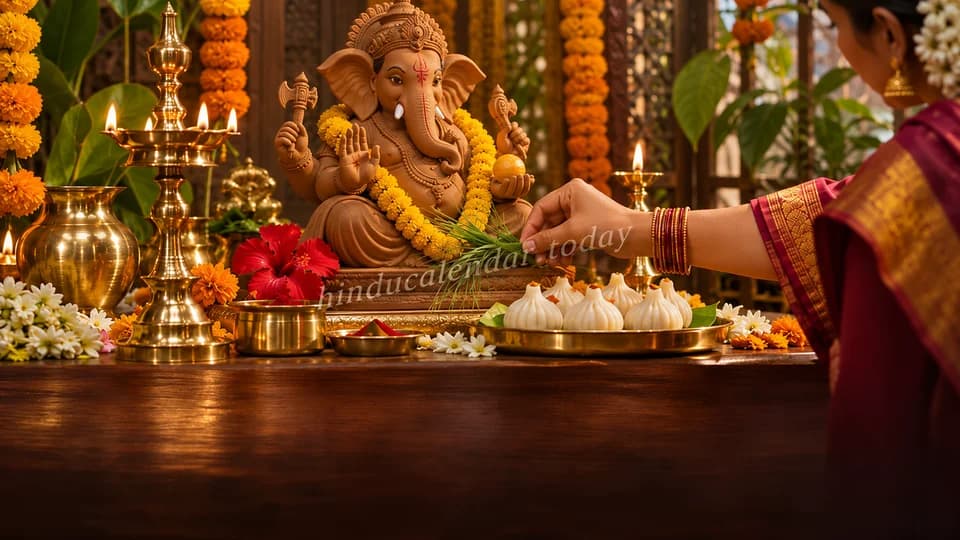
Ganesha in particular loves durva, since it cooled the burning in his belly after he swallowed the fire demon Analasura, and so no worship of Ganesha is complete without it.
Women who keep this vrat pray that, like durva, their family line will never fail and will spread and flourish.
Keeping the vrat
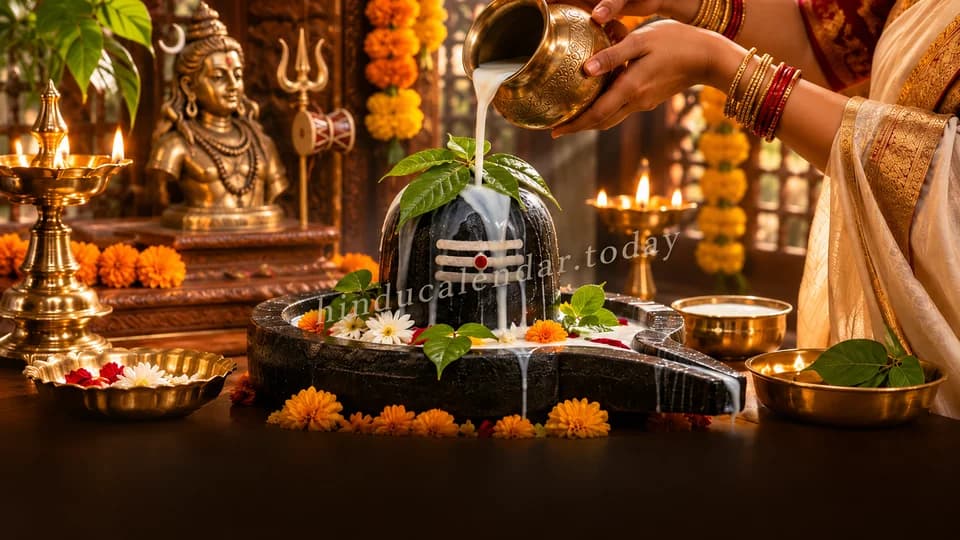
Durva is worshipped together with Ganesha and Shiva, with flowers, fruit, sesame and curd. Women fast and eat only food not cooked on a fire, and tie a thread of durva on the hand.